
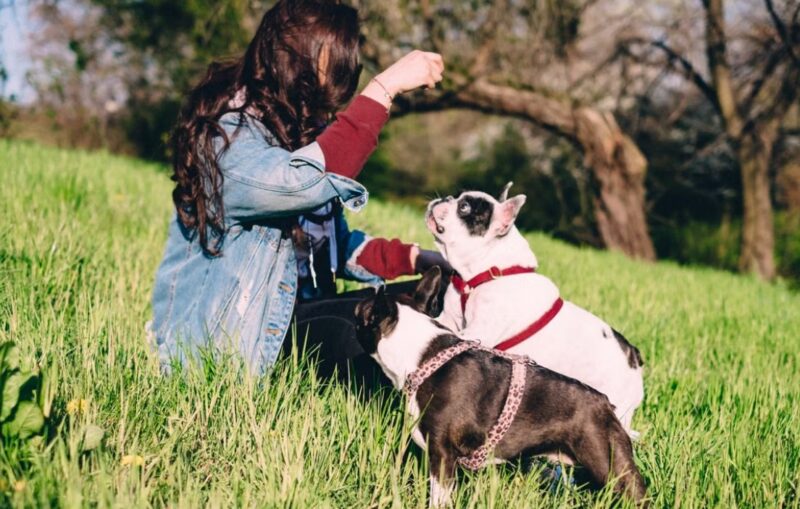
You may practice “sit,” “stay,” and “come” every day, yet your dog still jumps on guests, pulls toward other dogs, or ignores you when something exciting appears.
Why does progress sometimes feel so inconsistent?
The answer may have less to do with formal training sessions and more to do with what happens each day. Dogs learn from repeated patterns. Every doorway, walk, greeting, meal, and play session teaches them something, even when you are not intentionally training.
Small habits can either strengthen your dog’s skills or quietly work against them. Here are seven common routines that may be making obedience harder, along with practical ways to improve them.
1. Repeating Commands Until Your Dog Responds
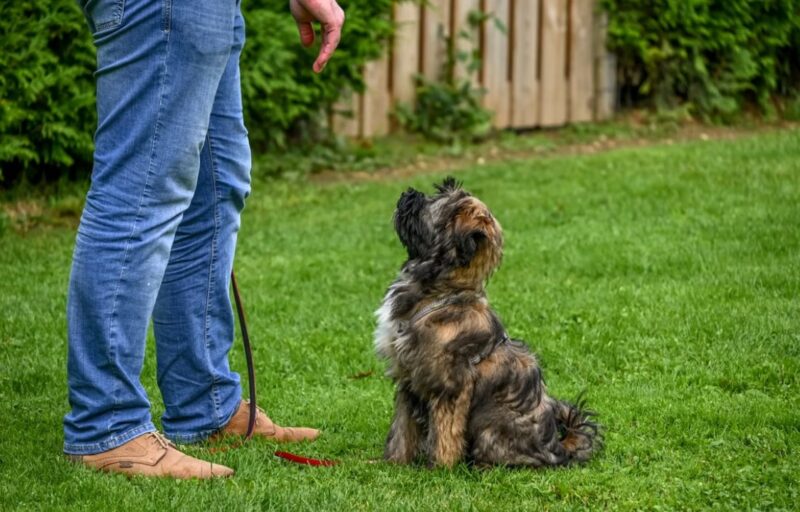
Imagine asking your dog to sit. Nothing happens, so you say it again. Then again, only louder.
By the third or fourth repetition, your dog finally sits. It feels like the command worked, but the dog may have learned a different lesson: the first cue does not matter.
Try saying the command once in a clear, calm voice. Give your dog a moment to process it. If they do not respond, reduce the difficulty, remove a distraction, or guide them back to an exercise they understand.
The goal is to make your communication meaningful.
2. Rewarding Excitement Without Realizing It
Many unwanted behaviors continue because they receive attention.
A dog jumps up, and someone talks to them, touches their paws, or pushes them down. A dog barks for a toy, and the toy is thrown. A dog scratches at the door, and it opens.
Even negative attention can be rewarding when a dog wants interaction.
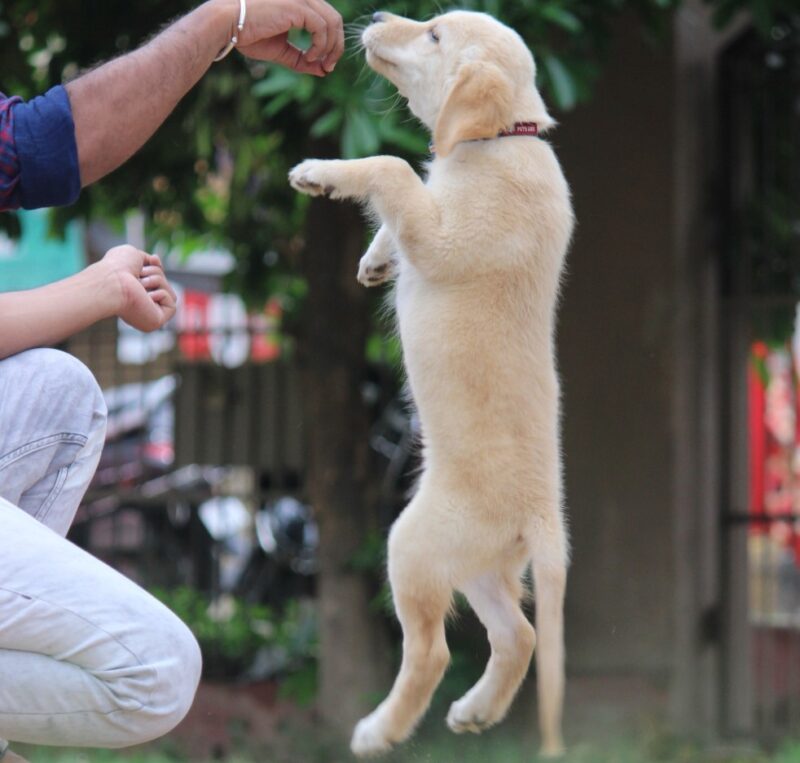
Pay attention to what happens directly after the behavior. Instead of giving your dog access to attention, food, toys, or outdoor time while they are excited, wait for a calmer choice. Reward four paws on the floor, a brief sit, or a quiet pause.
You are not ignoring your dog’s needs. You are teaching them which behavior makes good things happen.
3. Allowing Pulling to Move the Walk Forward
Leash pulling often becomes a habit because it works. The dog pulls toward a tree or an interesting smell, and the owner follows.
From the dog’s perspective, pulling successfully moved them closer to the reward.
You do not need to demand a perfect heel during the entire walk. However, avoid letting tight-leash pressure become the normal way to move forward.
When the leash tightens, slow down, stop, or calmly change direction. Reward your dog when they return to you or create slack in the leash. Then allow them to continue walking or sniffing.
This teaches the dog that a loose leash, not pulling, keeps the adventure moving.
4. Using Different Rules in Different Moments
Dogs struggle when household rules change according to a person’s mood.
Jumping may be allowed when you return from work but discouraged when guests arrive. Begging may be rewarded during breakfast but punished during dinner. Pulling may be tolerated on a rushed morning but corrected during an evening walk.
Your dog cannot easily understand why the same behavior produces different outcomes.
Choose a few realistic household rules and make them consistent. Everyone who handles the dog should use the same commands and expectations. Consistency does not mean being harsh. It means making the answer predictable.
Clear patterns help dogs learn faster and reduce frustration.
5. Practicing Only When You Need the Behavior
Many owners use recall only when playtime is ending. They ask for “place” only when visitors are already at the door. They practice leash manners only after the dog becomes excited outside.
This makes each command harder than necessary.
Practice important skills when nothing urgent is happening. Call your dog to you, reward them, and release them to play again. Ask for a place command during a quiet afternoon. Practice calm doorway manners when no one is arriving.
Easy repetitions build familiarity. When a challenging moment appears, your dog is more likely to recognize the routine.
6. Making Training Sessions Too Long
More practice is not always better practice.
Dogs can lose focus when sessions become repetitive, confusing, or frustrating. Once attention drops, owners often repeat commands, lower their standards, or end after an unsuccessful attempt.
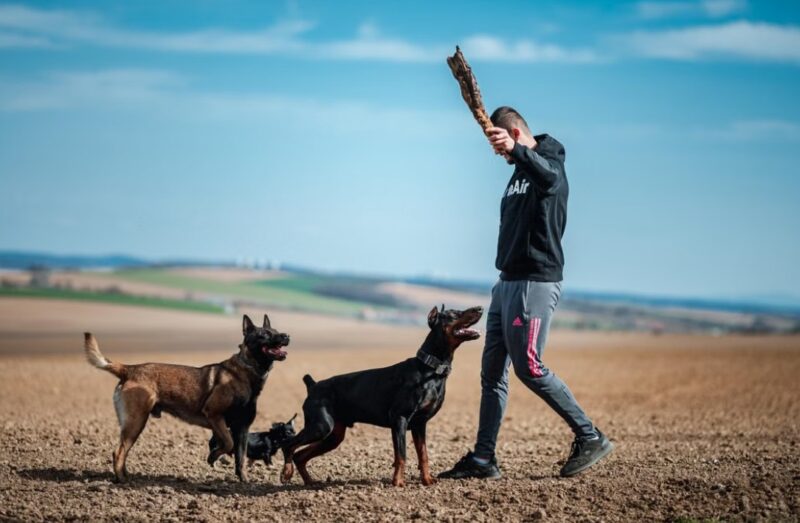
Short sessions are easier to fit into daily life and easier for dogs to enjoy. Practice for three to five minutes, then take a break. You can work on one skill before breakfast, another during a walk, and a third in the evening.
Finish after a good repetition whenever possible. A short successful session is more useful than a long session filled with mistakes.
7. Waiting Too Long to Ask for Help
Some problems improve with consistent home practice. Others involve fear, reactivity, aggression, intense overexcitement, or a long history of reinforced behavior.
Waiting until everyone is frustrated can make the process more difficult.
Professional guidance can help identify whether the problem comes from unclear communication, an environment that is too challenging, weak reinforcement, or a deeper behavioral concern. Owners looking for dog trainers in Toledo, Ohio can seek an evaluation before choosing a program, when safety is involved.
A responsible trainer should consider the individual dog, explain the training plan, and teach the owner how to continue the work at home. Training should create clearer communication, not dependence on the trainer.
Turn Daily Life Into Useful Practice
Dog training does not happen only when treats are in your hand or a formal session begins. It happens whenever your dog makes a choice and experiences the result.
Start by changing one routine. Ask for calm behavior before opening the door. Reward attention during walks. Say commands once. Practice recall without always ending the fun.
Repeated patterns shape behavior every day.
Your dog does not need a perfect owner. They need one who is clear, patient, and consistent. When everyday habits support the lessons you are teaching, training becomes easier to understand, easier to maintain, and more useful in real life.