
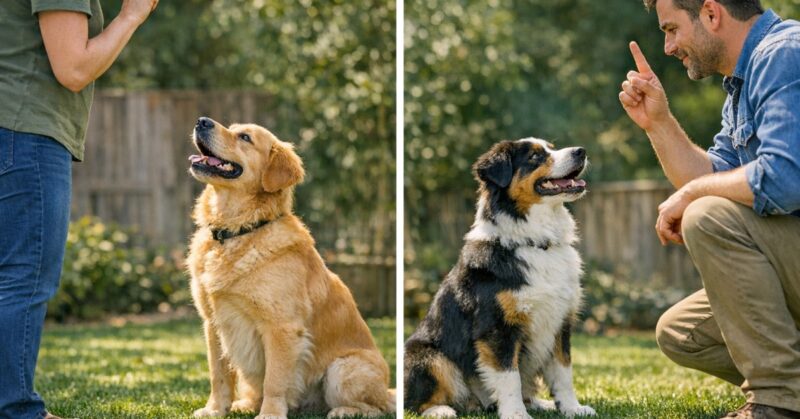
Dog training does not have to take hours every day to produce meaningful results.
Several short and consistent practice sessions can be more useful than one long session that happens only occasionally. Dogs learn through repetition, clear consequences, and predictable routines. When training becomes part of everyday life, good behavior has more opportunities to become a habit.
For owners who want structured guidance, Off Leash K9 Training Pittsburgh can help build practical obedience skills around real-world situations.
The key is not doing more at once. It is doing the right things regularly.
Short Sessions Keep Dogs Engaged
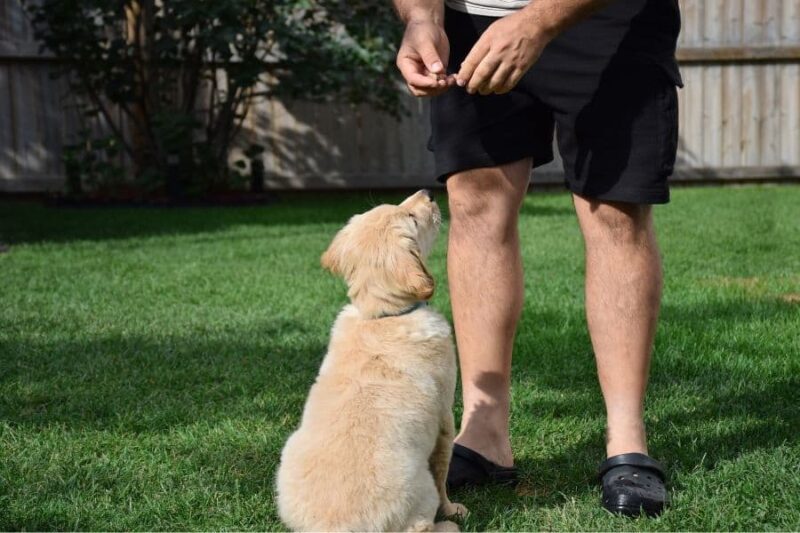
Many dogs lose focus during long training sessions.
At the beginning, your dog may be attentive and eager to work. After fifteen or twenty minutes, they may become distracted, tired, frustrated, or less interested in rewards.
Practice one or two skills for a few minutes, then stop while your dog is still successful. You can train again later during the day.
This approach keeps exercises clear and makes it easier to fit training into a normal schedule.
A three-minute session before breakfast, a few repetitions before a walk, and another short practice period in the evening can add up quickly.
Repetition Builds Stronger Habits
If sitting calmly makes the leash appear every day, the dog begins to understand that calm behavior helps the walk begin. If pulling always moves the dog forward, pulling becomes a useful habit.
Consistency determines which pattern becomes stronger.
You do not need to repeat a command fifty times in one session. Instead, look for small opportunities throughout the day.
Ask for a sit before opening a door. Practice a short stay while preparing food. Reward a check-in during a walk. Call your dog across the room and reinforce a quick response.
Frequent repetitions help familiar behaviors become easier.
Everyone Should Use the Same Rules
Training becomes confusing when household members expect different things.
One person may allow the dog to jump during greetings while another tells the dog to get down. Someone may reward begging at the table while another person tries to stop it.
From the dog’s perspective, the rules keep changing.
Decide which behaviors are acceptable and make sure everyone responds similarly.
Small differences are normal. However, the basic expectations should remain clear.
If four paws on the floor earns attention, everyone should try to reward that behavior. If jumping ends the greeting, the same rule should apply most of the time.
Practice Skills Outside Formal Training
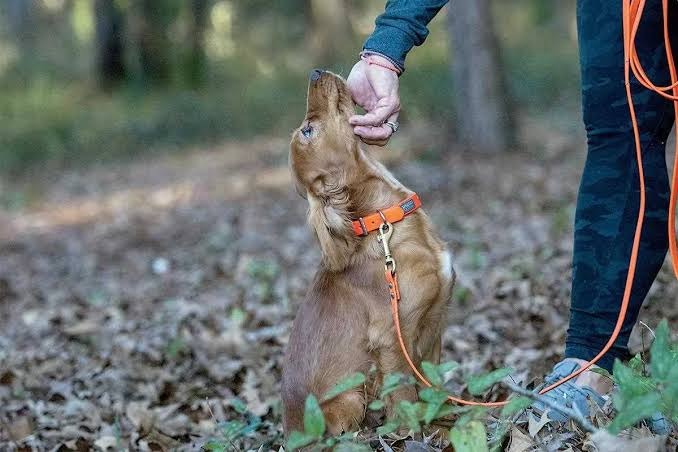
Dogs do not separate life into training time and normal time.
Every interaction can teach something.
When your dog pulls toward the door and you open it, the dog learns that pulling can work. When your dog waits calmly and then gets to go outside, calm behavior becomes more valuable.
Use everyday routines as practice.
Meals, walks, play, car rides, greetings, and quiet time all create opportunities to reinforce useful choices.
This makes training more realistic because the skills are practiced in the same situations where you need them.
Make Commands Mean Something
Repeating commands can weaken them.
If you say “sit” five times before your dog responds, the dog may learn that the first four cues do not matter.
Try to give a command once.
Then give your dog a moment to respond. If they cannot, consider whether the environment is too distracting or whether the skill needs more practice.
You may need to move to an easier area, use a better reward, or simplify the exercise.
Clear cues are easier for dogs to understand than repeated words.
Increase Difficulty Gradually
A dog may perform perfectly in the living room and struggle on a busy sidewalk.
That does not mean the training disappeared.
It means the environment became harder.
Build difficulty gradually. Practice in a quiet room, then another room, the yard, the driveway, and a street. Once your dog can respond consistently, introduce more distractions.
Changing one variable at a time makes progress easier to measure.
If your dog suddenly stops responding, lower the difficulty instead of assuming they are being stubborn.
Training works best when the dog has a realistic chance of success.
Reward the Behavior You Want More Often
Owners naturally notice mistakes.
A dog pulls, barks, jumps, steals food, or ignores a cue, and the behavior immediately gets attention. Quiet behavior is easier to overlook.
Start watching for the good moments.
Reward your dog for walking with a loose leash, lying quietly, waiting at a door, checking in with you, or choosing not to react to something exciting.
Rewards can include food, praise, toys, movement, sniffing, or access to something the dog wants.
The more often good choices are reinforced, the more likely they are to happen again.
Do Not Expect Perfect Days
Training progress is rarely a straight line.
Your dog may perform well for several days and then struggle during a difficult walk. A new environment, unusual noise, lack of sleep, excitement, or a strong distraction can affect behavior.
Return to an easier version of the exercise and rebuild from there.
Consistency means continuing to practice, not expecting your dog to behave perfectly every time.
Realistic expectations also make it easier to stay patient when progress feels slower than expected.
Build Training Into Your Routine
The easiest training plan is one you can maintain consistently.
You do not need complicated equipment, long sessions, or a perfect schedule.
Pick a few useful behaviors and practice them during routines you already have.
Work on door manners when leaving the house. Practice attention during walks. Ask for calm behavior before meals. Reinforce settling while you relax in the evening.
These moments may seem small, but repeated every day, they create a clear pattern.
Dog training is less about finding one perfect session and more about building successful repetitions over time.
When expectations stay consistent and practice becomes part of daily life, dogs have a better chance to understand what works and repeat it.