
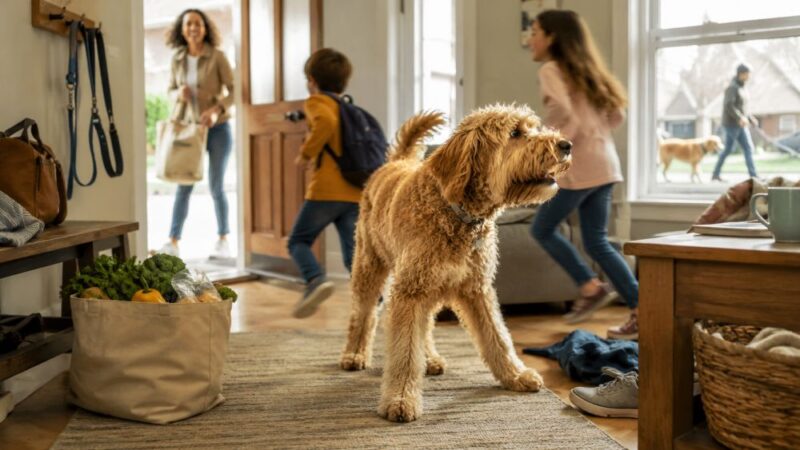
Your dog can be perfectly polite on a quiet evening and seem completely different on a busy Saturday. The leash gets tighter, familiar commands take longer, and every sound or movement becomes more interesting than you.
This does not always mean your dog is stubborn. Behavior changes when the environment, routine, energy level, and distractions change.
Here are seven reasons good behavior can disappear during busy days.
1. The Environment Became Harder
Dogs do not experience every location the same way.
Your living room is predictable. A crowded sidewalk, busy trail, neighborhood event, or family gathering may include unfamiliar people, dogs, food, noises, and movement.
A command that feels easy at home can require much more concentration there.
Instead of assuming your dog is ignoring you, lower the difficulty. Create more distance from the distraction, shorten the exercise, or move to a quieter area.
Owners who want help building reliable skills around everyday distractions can research Off Leash K9 Training Greenville when comparing professional training options.
2. You Changed Too Many Things at Once
Training becomes difficult when several challenges increase together.
Imagine your dog can stay for twenty seconds in the kitchen. The next day, you ask for a longer stay outside while standing farther away and another dog walks past.
That is several new challenges.
Change one variable at a time.
Practice the same duration in a new location before increasing distance. Work around mild distractions before adding more exciting ones. Give your dog enough successful repetitions before asking for something harder.
3. Excitement Started Before Training Did
Many difficult moments begin earlier than owners realize.
A dog may become excited when you pick up the leash, hear car keys, see a visitor, or recognize the route to the park. By the time you ask for calm behavior, excitement is already building.
Practice before the main event.
Pick up the leash and wait for calmness before attaching it. Ask for a simple behavior before opening the car door. Practice doorway manners when nobody is outside.
Teaching your dog what to do before excitement peaks is easier than trying to regain focus afterward.
4. Your Dog Has Learned Which Rules Are Flexible
Dogs notice patterns quickly.
If pulling is allowed when you are in a hurry but discouraged during relaxed walks, your dog learns that leash rules depend on the situation. If jumping gets attention from some family members, jumping remains worth trying.
It means important expectations should remain predictable.
Choose the rules that matter most. Maybe your dog waits at exterior doors, keeps four paws down during greetings, or walks without constant leash tension.
When everyone responds similarly, your dog has clearer information about what works.
5. You Are Asking After Your Dog Has Lost Focus
Timing matters.
Consider a dog that becomes excited around other dogs. At fifty feet, they notice another dog but still respond. At twenty feet, they stare. At ten feet, they pull and bark.
If you wait until ten feet to ask for attention, you are working at the hardest point.
Begin earlier.
Reward your dog for checking in while the distraction is manageable. Change direction or create distance before focus disappears.
A Dog training expert in Greenville, SC can help owners identify where communication breaks down when familiar skills consistently fail in real-world situations.
The objective is not to see how close your dog can get before reacting. It is to practice where learning can still happen.
6. Your Dog Needs Breaks Too
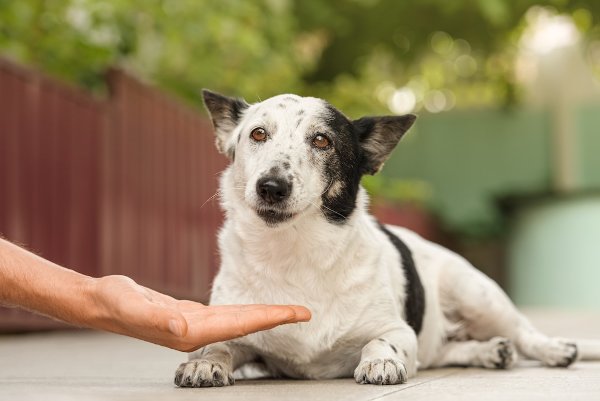
A full day can be tiring for dogs.
A morning walk, visitors, errands, car rides, new environments, and repeated interactions may create more stimulation than your dog normally experiences.
As the day continues, focus can become harder.
Build breaks into busy days. Give your dog opportunities to rest in a calm place rather than expecting continuous activity.
A few successful repetitions can be more useful than practicing after your dog is mentally finished.
7. You Only Practice When Something Goes Wrong
Many owners accidentally turn training into emergency management.
Recall is practiced when the dog is running away. Place is requested only when guests are entering. Loose-leash walking suddenly matters when another dog appears.
Those moments should not be the only time your dog hears the cue.
Practice when nothing dramatic is happening.
Call your dog from another room and reward the response. Work on place while you watch television. Practice loose-leash walking on a quiet street.
The more successful practice your dog has when conditions are manageable, the better prepared they can be when life becomes demanding.
What Should You Do When Training Falls Apart?
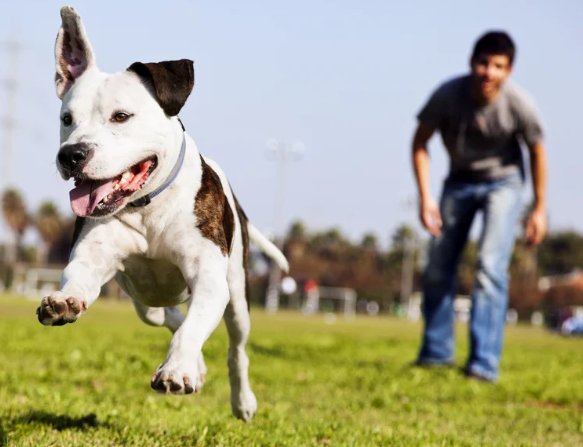
Ask what changed.
Was the environment busier? Was the distraction closer? Was your dog tired? Did you increase distance and duration together? Had excitement already been building?
Then adjust one thing.
Move farther away. Shorten the exercise. Choose a quieter location. Give your dog a break. Return to a version of the behavior they can perform successfully.
The goal is not perfect behavior everywhere. It is helping your dog succeed often enough that familiar skills become easier to use in new situations. Gradually.
Final Thoughts
Good behavior is not a switch that stays permanently turned on once a dog learns a command.
Reliable training develops when dogs practice familiar skills in different environments, around gradually increasing distractions, and as part of normal routines.
Busy days simply reveal where more practice may be needed.
Keep household expectations clear. Start training before excitement peaks. Add difficulty in small steps, and pay attention to your dog’s ability to focus.
Do not judge progress by one chaotic walk, difficult visitor, or distracting afternoon.
Look at the pattern over time.
If your dog recovers faster, responds from closer distances, or makes better choices in situations that used to be difficult, training is moving in the right direction.
Those small improvements eventually turn living-room obedience into behavior that works in everyday life.