
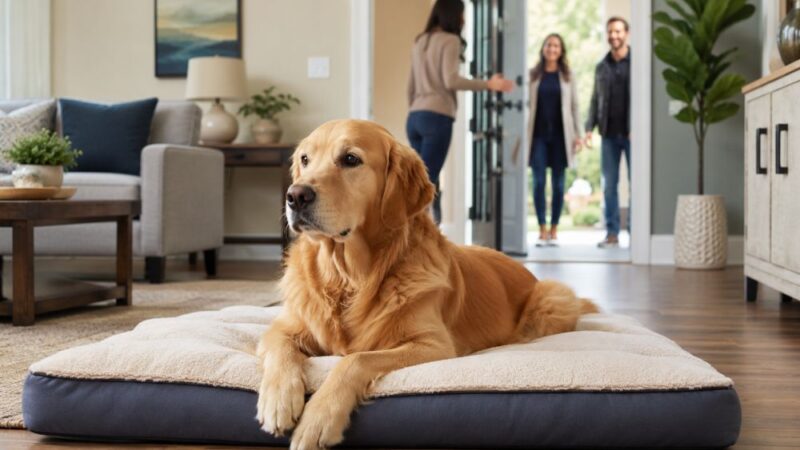
Dogs are often praised for the things they can do: sit, stay, come, shake, fetch. But one of the most useful skills a dog can learn is much less flashy: how to settle.
A dog who can relax when nothing exciting is happening is easier to live with. Calm behavior can help during meals, when visitors arrive, or before a walk.
For families who want extra structure while working on everyday manners, Off Leash K9 Training Blacksburg is one local option to explore alongside the routines you practice at home.
Calmness is not simply the absence of bad behavior. It is a skill that can be noticed, encouraged, and practiced.
Stop Waiting for Calmness to Happen by Accident

Many dog owners spend most of their attention reacting to unwanted behavior.
The dog jumps, barks, steals a sock, or races around the room, and suddenly everyone is paying attention. Meanwhile, the dog lies quietly on the floor and nobody notices.
Start catching the quiet moments instead. If your dog settles beside your chair, calmly praise them. If they lie on their bed while you prepare dinner, drop a treat nearby. If they watch someone pass the window without barking, acknowledge that choice.
You are helping your dog discover that calm behavior works too.
Give Your Dog a Place to Settle
A bed, mat, or blanket can become a useful cue that says, “This is a good place to relax.”
Start somewhere quiet. Reward your dog for approaching the mat, standing on it, sitting, and eventually lying down. Keep early sessions easy rather than expecting a long stay immediately.
Once your dog understands the idea, practice while normal life happens around them. Work on settling while you drink coffee or watch television.
Later, add a slightly harder situation, such as someone walking through the room or opening the front door.
The goal is to teach your dog that resting in a designated spot can be comfortable and rewarding.
Watch for Signs Your Dog Needs a Break
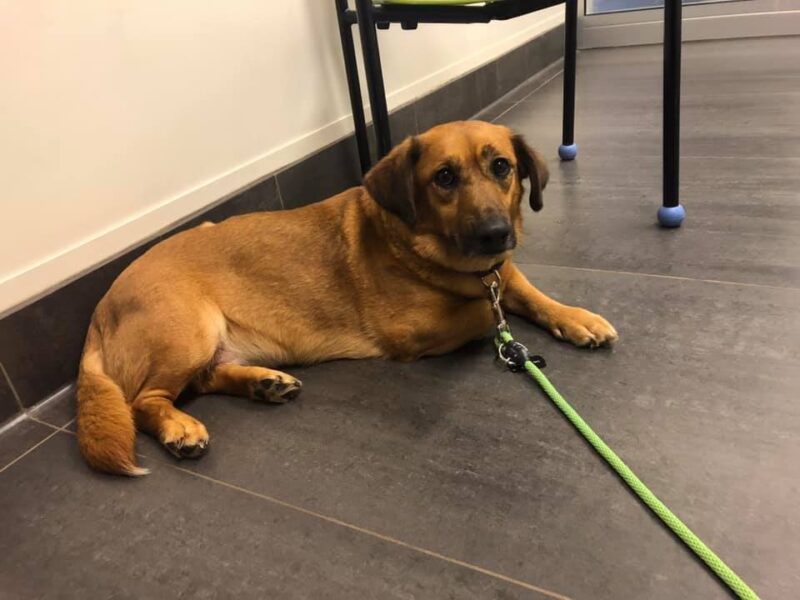
A dog who is too excited, worried, or overwhelmed may have difficulty settling.
Pay attention before your dog loses focus. Are they pacing, barking repeatedly, pulling, or unable to respond to something they normally know?
Sparky Steps offers a useful overview of signs your dog is stressed and ways to help them calm down, which can help pet parents notice small signals before behavior escalates.
Sometimes the best decision is to create more space, reduce the distraction, or give the dog time to decompress.
Make Greetings Less Exciting
Doorways can turn into instant chaos. The bell rings, someone enters, and suddenly there is jumping, barking, and frantic attention.
Instead of trying to fix the entire greeting at once, make the routine simpler.
Before opening the door, give your dog something familiar to do. That might mean going to a mat, standing behind a gate, or remaining at a comfortable distance while the guest enters.
Ask visitors to keep greetings low-key. If your dog has four paws on the floor, that is a good moment for attention. If excitement rises too quickly, pause and give your dog more space.
Use Walks to Practice Recovery
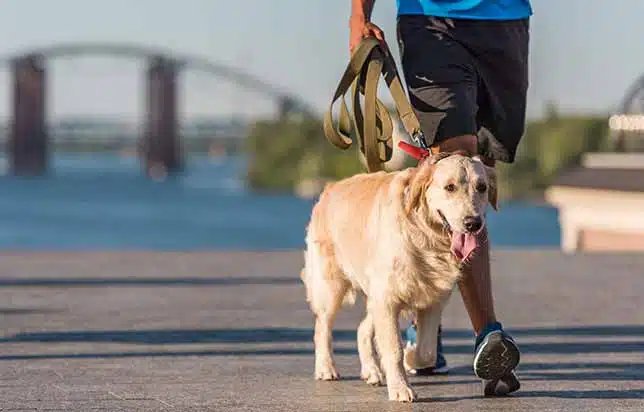
A good walk does not require constant focus. Dogs need opportunities to sniff and explore.
Walks can also help dogs practice moving from excitement back toward calm.
Your dog spots another dog across the street. Can they notice it and then check in with you? A squirrel runs past. Can your dog recover after the first burst of excitement?
Reward the moment your dog turns back toward you, loosens the leash, or chooses to disengage from something interesting.
These small recoveries matter because useful training is not only about responding to cues. It is also about helping a dog regain focus after excitement.
Build an Off-Switch After Play
High-energy dogs get plenty of practice becoming excited. Fetch, tug, and energetic walks can all be fun. The missing piece is what happens afterward.
Create a predictable end to active play. Put the toy away, offer water, lower your own energy, and guide your dog toward a quieter activity. A chew, food puzzle, or short mat session can help mark the transition.
This does not mean discouraging enthusiasm. The goal is teaching both sides of the equation: how to enjoy activity and how to settle afterward.
Keep Expectations Realistic
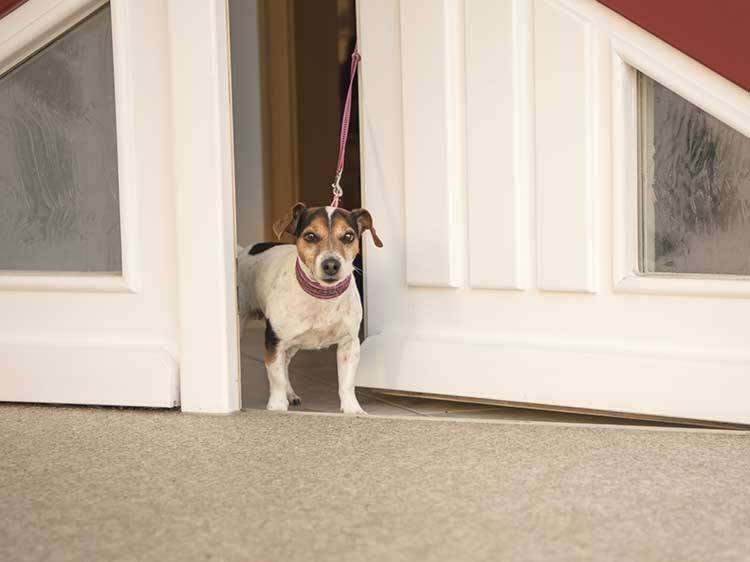
A puppy will not settle like a mature adult dog. A dog in a new environment may need more help than they do at home.
Adjust the difficulty to the dog in front of you.
Start with a few calm seconds if that is what your dog can handle. Reward success, gradually increase duration, and introduce new locations or mild distractions one at a time.
If your dog struggles, make the task easier instead of repeating the cue more loudly.
Know When to Ask for Help
Some dogs have a hard time settling because the underlying challenge is bigger than everyday excitement.
Persistent reactivity, aggression, intense fear, or behavior that creates safety concerns should not be treated as a simple “calm down” problem.
In those situations, professional guidance may help you build a more structured plan. Owners looking for a Dog training expert in Blacksburg, VA can ask how training would address the situations their dog struggles with, what owner involvement is expected, and how skills will transfer into daily life.
Calm Is Something You Can Practice
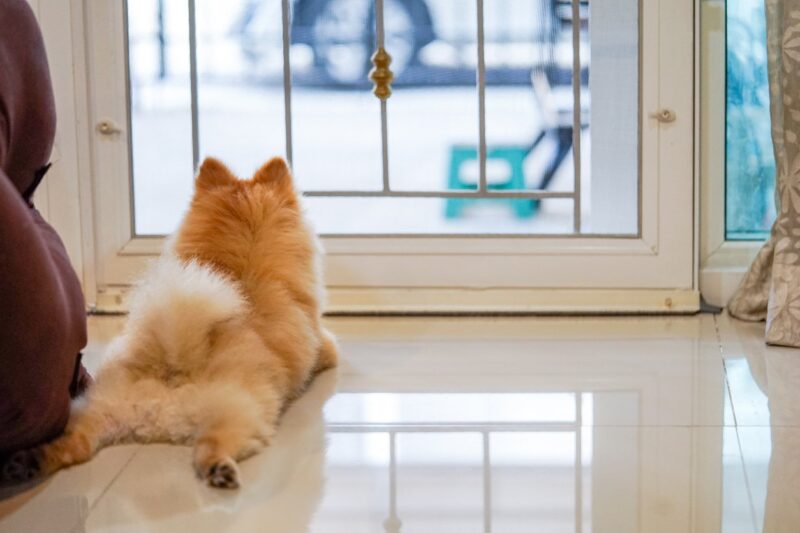
Dogs do not automatically know how to handle every exciting moment politely.
They learn through repetition and everyday experience. If calm choices are consistently noticed and rewarded, those choices can become easier to repeat.
Look for the small moments: a quiet pause before the door opens, four paws on the floor when someone walks in, a loose leash after spotting another dog, or a relaxed dog resting nearby while the family goes about the evening.
Those moments may not look impressive, but they are the behaviors that make everyday life with a dog easier.
That makes calmness a skill worth teaching.