
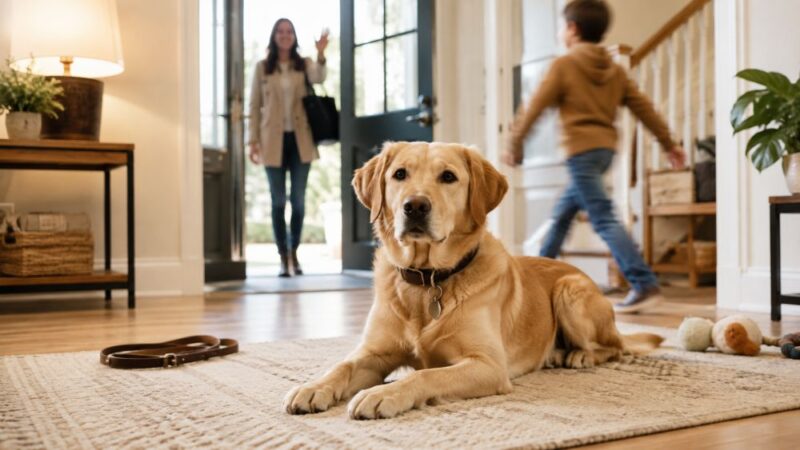
Your dog can be relaxed one minute and wildly excited the next. The doorbell rings, another dog appears, or someone reaches for the leash, and suddenly calm behavior seems impossible.
Excitement is normal, but dogs can struggle when they have not learned what to do with that energy. Jumping, barking, pulling, pacing, and ignoring familiar cues may become the default response because those behaviors have been repeated.
The good news is that calmness can be practiced just like sit, stay, or come. Here are eight ways to make it part of everyday training.
1. Teach Calmness Before You Need It
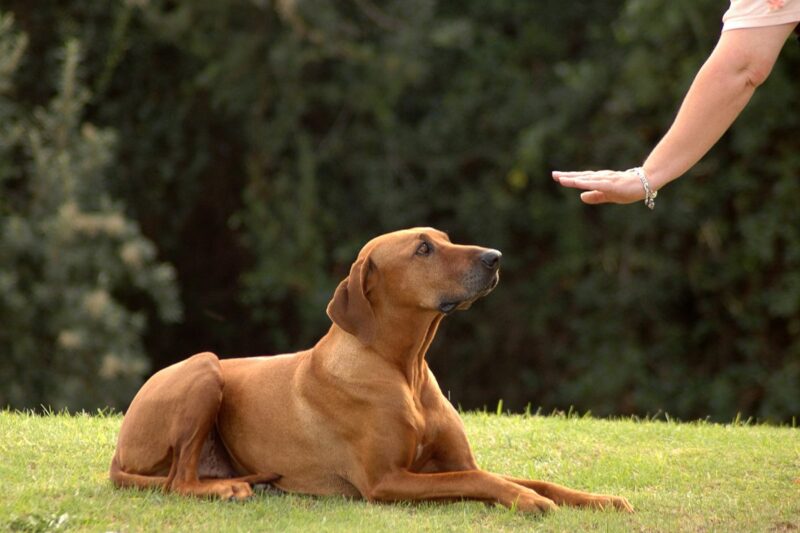
Many owners ask for calm behavior only after their dog is already overstimulated.
Start during quiet moments. Ask your dog to settle on a bed while you read or work. Reward relaxed behavior, such as lying down or choosing to stay in one place.
Short, easy repetitions help your dog understand the routine before distractions make it harder.
Owners who want help creating a structured foundation can also consult Off Leash K9 Training San Antonio when comparing professional training options for everyday obedience and behavior.
2. Stop Making Every Exciting Event Bigger
Dogs quickly learn the emotional pattern around certain activities.
If you rush toward the door and repeatedly ask your dog to sit when a visitor arrives, your energy may add to the excitement. The same can happen before walks.
Slow the routine down.
Pick up the leash and wait for a calmer moment before attaching it. Pause if your dog becomes frantic. Open the door only when your dog can respond safely.
Calmer routines make calmer behavior easier to practice.
3. Give Your Dog a Clear Job
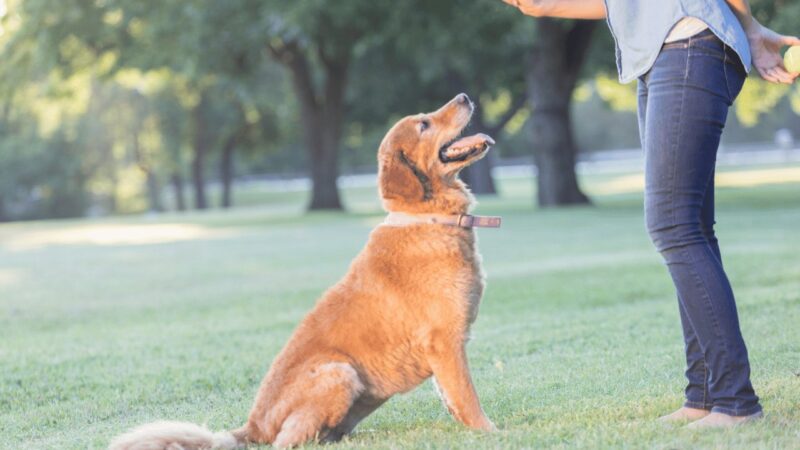
“Calm down” is difficult for a dog to understand because it does not describe a specific action.
A familiar behavior gives the dog something concrete to do.
Teach a place cue, sit, down, or another stationary behavior in easy situations first. Then practice it while mild activity happens nearby.
For example, ask your dog to remain on a bed while someone walks through the room. Later, practice while a family member opens the front door.
The goal is not to keep your dog frozen in one position. It is to create a predictable alternative to jumping, rushing, or pacing.
4. Practice Around Mild Distractions First
Training often breaks down because owners move from a quiet living room directly into the hardest environment available.
Your dog may stay calm around one person but struggle when guests arrive. They may walk nicely on a quiet street but pull when another dog passes.
If visitors are difficult, practice with one familiar person first. If dogs are exciting, begin at a distance where your dog can still respond to you.
Gradually reducing distance or increasing activity is more productive than repeatedly putting your dog into situations that are too difficult.
5. Reward the Quiet Choices You Usually Miss
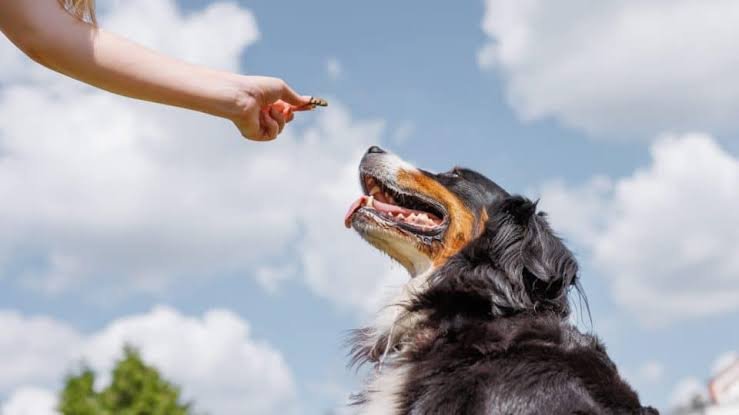
Excited behavior gets attention because it is impossible to ignore.
Calm behavior often gets nothing.
Your dog lies quietly while you answer emails, and nobody notices. Then they bark at the window, and everyone responds immediately.
Pay attention to the behaviors you want repeated.
When your dog settles, checks in during a walk, keeps four paws on the floor during a greeting, or notices a distraction without pulling, reinforce that choice.
Rewards do not always have to be food. Praise, toys, sniffing, or continuing a walk can all be valuable.
6. Build Better Doorway Habits
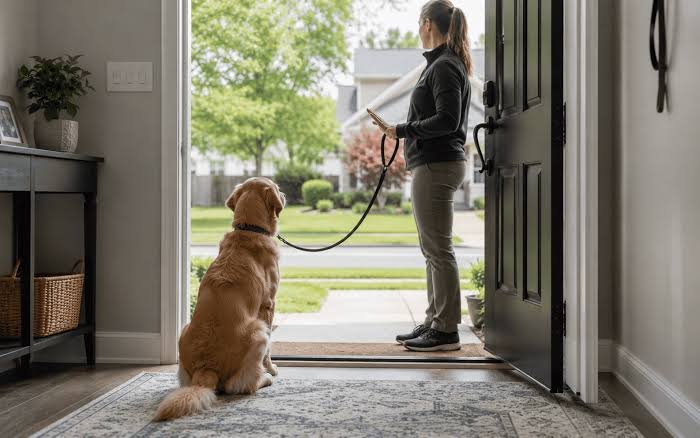
Doorways create excitement because they often predict something interesting.
The front door may mean visitors. The back door may mean playtime. The car door may mean an outing.
Use these moments for simple impulse-control practice.
Ask for a brief pause before opening the door. If your dog rushes forward, close it safely and reset. When your dog can wait, release them to move through.
Keep expectations realistic. A young or highly excited dog may manage only a second at first.
Over time, that small pause can become a useful habit that makes entrances and exits easier to manage.
7. Do Not Confuse Calmness With Lack of Exercise
Teaching a dog to settle does not mean ignoring physical and mental needs.
A dog with too little appropriate activity may find it harder to relax. Walks, sniffing, play, and training games can provide healthy outlets.
At the same time, constantly trying to exhaust a dog can backfire. Some dogs simply become fitter and expect more activity.
Balance matters.
Give your dog appropriate opportunities to move and explore, but also practice switching from activity to rest. Being able to settle after excitement is a useful skill on its own.
8. Know When the Problem Is More Than Excitement
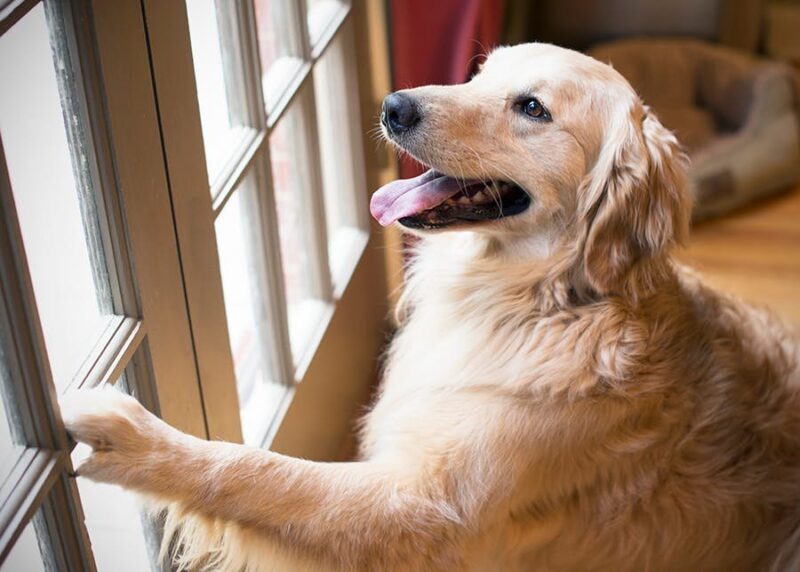
Not every barking, lunging, or restless behavior comes from simple enthusiasm.
Fear, anxiety, frustration, reactivity, or pain can look like overexcitement. If your dog cannot recover, reacts intensely, or shows a sudden behavior change, the situation deserves closer attention.
A Dog training expert in San Antonio, Texas can help owners evaluate training needs and whether a structured approach is appropriate. Sudden behavior changes should also be discussed with a veterinarian, especially when discomfort may be involved.
Professional support is especially important when safety is at risk.
Final Thoughts
Calm dogs are not necessarily dogs with low energy. They are dogs that have learned how to move between excitement and relaxation.
Start when the environment is easy. Reward quiet choices, create predictable routines, give your dog clear behaviors to perform, and increase distractions gradually.
Do not wait until the doorbell is ringing, the leash is tight, or your dog is already overwhelmed to begin teaching calmness.
Practice during ordinary moments instead.
Those small repetitions can change how your dog handles visitors, walks, doorways, and daily activity. Over time, calm behavior becomes less of something you hope will happen and more of a skill your dog understands how to use.