
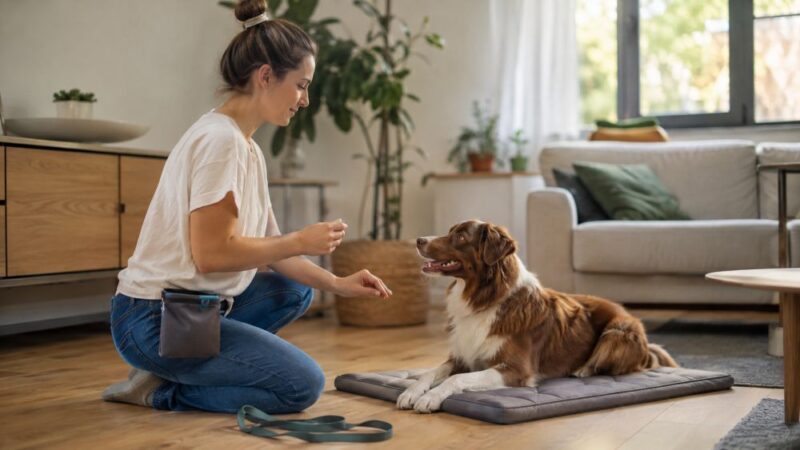
Excitement is normal in dogs. A doorbell rings, a leash appears, a visitor walks in, or another dog passes on the sidewalk. Suddenly a normally responsive dog may jump, bark, pull, spin, or ignore familiar cues.
The goal of training is not to remove enthusiasm. It is to teach a dog how to move from excitement back to a calmer, more manageable state. For owners looking for local support in Pennsylvania, Off Leash K9 Training Lehigh Valley is one place to start.
Calm behavior is rarely created by one command. It develops through repeated routines, clear expectations, and practice in situations that are easy enough for the dog to succeed.
Start by Identifying What Creates Excitement
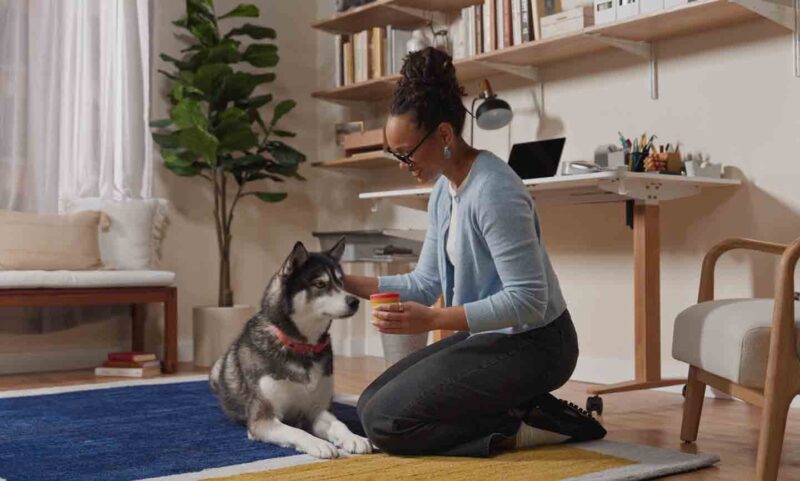
Before changing a behavior, notice when it happens.
Some dogs become overexcited when guests arrive. Others lose control when the leash comes out, food is prepared, another dog appears, or the front door opens.
Pay attention to what happens immediately before the behavior and what the dog gains afterward.
A dog who jumps when the leash appears may still be rewarded when the walk begins. A dog who barks at the door may become more excited when everyone rushes toward the entrance.
Knowing the pattern makes training easier because you can practice before the dog reaches peak excitement.
Teach Calm Behavior Before the Exciting Event
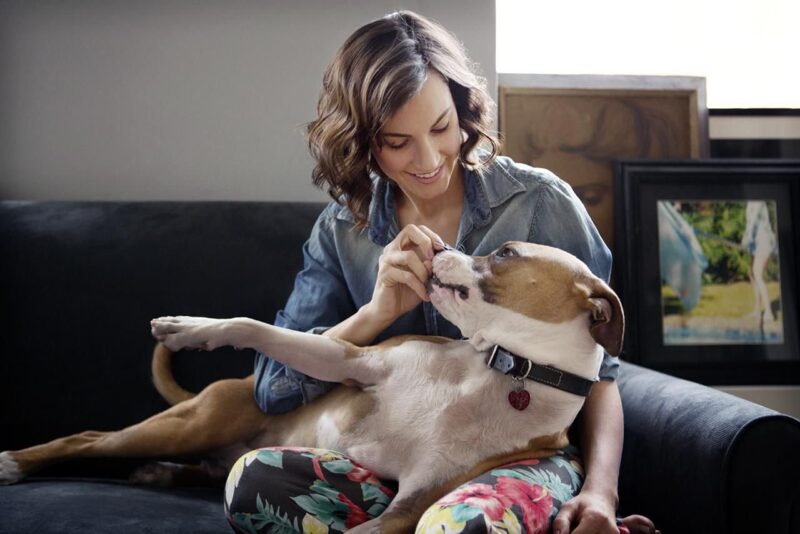
Waiting until a dog is already jumping, barking, or pulling makes training harder.
Practice the behavior you want when nothing important is happening. Ask your dog to sit near the front door when no one is visiting. Clip on the leash without immediately going outside. Work on a place command while the house is quiet.
If the dog can stay calm while you touch the doorknob, the next step may be opening the door slightly. If that goes well, open it farther. Training becomes more reliable when difficulty increases gradually.
Use Everyday Rewards
Food rewards can be useful, but they are not the only things dogs value.
Access to the yard, permission to sniff, greeting a person, beginning a walk, receiving a toy, or getting attention can all become part of training.
If your dog becomes frantic before going outside, wait for a brief moment of calmer behavior before opening the door. If your dog pulls toward an interesting smell, move forward when the leash becomes loose.
The lesson is simple: calm, responsive behavior helps the dog reach the things they want.
Keep Sessions Short Enough for Success
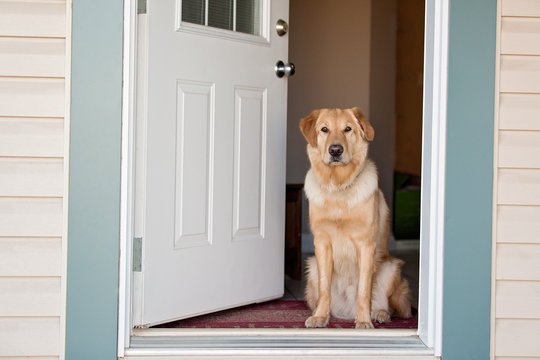
Long sessions are not always productive, especially for excitable dogs.
A dog that starts well may become distracted or mentally tired after too many repetitions. Once focus disappears, owners often begin repeating cues or accepting weaker responses.
Instead, practice for a few minutes and stop while the dog is still engaged. Work on doorway manners before breakfast, leash skills during a walk, or place while preparing dinner.
Frequent short sessions also make training easier to fit into ordinary routines.
Build Impulse Control Into Daily Life
Impulse control means learning that immediate action is not always the answer.
Ask for a pause before putting the food bowl down. Wait for four paws on the floor before giving attention. Practice a short stay before tossing a toy. Ask for calm behavior before opening the car door.
Begin at a level the dog can handle. Requiring a long stay from an energetic young dog may create frustration. A one-second pause can be the starting point.
As the dog improves, slowly increase duration and distractions.
Do Not Confuse Calmness With Exhaustion
Exercise is important, but simply making a dog tired does not automatically teach self-control.
A dog can return from a long run and still jump on a guest because the dog has never learned what to do when someone enters the house.
Physical activity works best alongside training and mental engagement. Sniffing walks, food puzzles, scent games, structured play, and obedience exercises give dogs different ways to use their energy.
The goal is to give dogs appropriate outlets while also teaching them how to settle when activity ends.
Practice Around Distractions Gradually
A dog who can stay calm in the living room may not be ready to perform the same behavior beside a crowded sidewalk.
Begin in quiet places and increase difficulty one element at a time.
If your dog can hold a sit while a family member walks across the room, try the exercise near an open door. Later, practice outside at a distance from people or dogs.
When the dog stops responding, the environment may be too difficult. Add distance, shorten the exercise, or return to an easier cue.
Increasing difficulty slowly gives the dog more opportunities to understand what is expected.
Give the Dog a Clear Alternative Behavior
Telling a dog what not to do is only part of the solution.
Instead of focusing only on “don’t jump,” teach the dog to sit or keep four paws on the floor. Instead of repeatedly correcting barking at the door, teach the dog to move to a designated place. Instead of fighting leash pulling for an entire walk, reward moments when the dog returns attention to the handler.
A clear alternative gives the dog something specific to perform and practice.
The same principle can be applied to many everyday problems. The clearer the alternative behavior becomes, the easier it is for the dog to make a better choice when excitement appears.
Know When More Support Is Needed

Some excitement is normal, especially in puppies and adolescent dogs. Other behavior may involve fear, anxiety, frustration, reactivity, or aggression.
If a dog is lunging, snapping, redirecting onto the leash or handler, or becoming increasingly difficult to control, the situation deserves more careful assessment.
Professional guidance can help owners understand what is driving the behavior and create a plan that matches the individual dog. The owner should also learn how to continue reinforcing the training in daily life.
Training is most useful when the skills become part of normal routines rather than something practiced only during formal sessions.
Final Thoughts
Calmer behavior is built through repetition, not one perfect training session.
Identify the situations that trigger excitement, practice before those moments become difficult, reward the behavior you want, and increase challenges gradually. Keep expectations realistic and give the dog clear alternatives instead of relying only on correction.
When everyday routines become part of training, dogs get more opportunities to practice self-control in the situations that matter. Over time, those small repetitions can lead to better manners, clearer communication, and a dog who is better prepared to handle excitement without losing connection with the person on the other end of the leash.