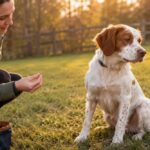
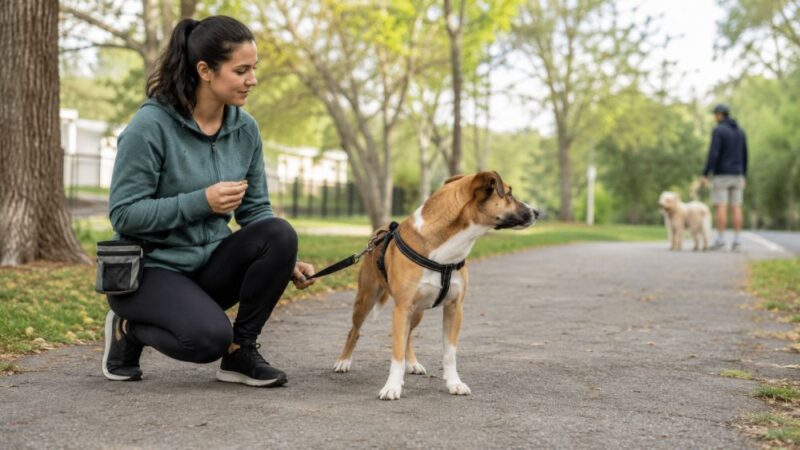
Does your dog sit perfectly in the kitchen but ignore the same command outside? A quiet room and a busy sidewalk are completely different learning environments for a dog. Smells, traffic, wildlife, and unfamiliar dogs can compete with your voice.
Families seeking guidance can work with Off Leash K9 Training Atlanta to evaluate how their dog responds at home and around real-world distractions.
The problem is not always stubbornness. Your dog may understand the command only in the place where it was first practiced. Reliable behavior develops when owners practice the skill in different situations.
Dogs Do Not Generalize Skills Automatically
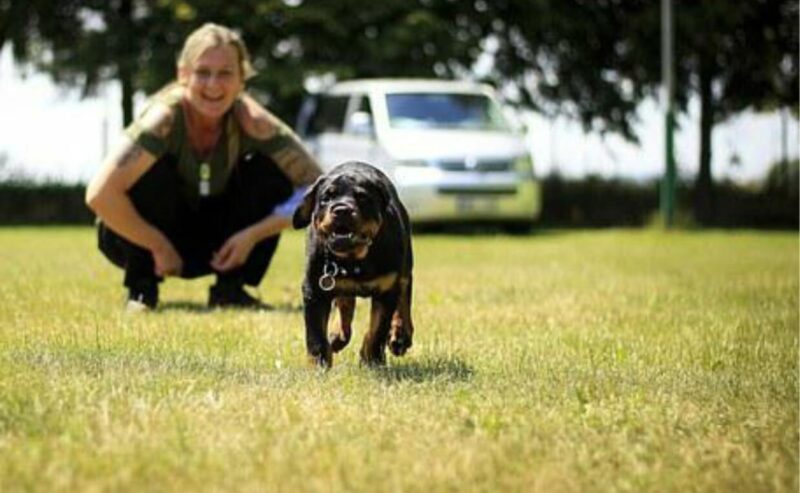
People can apply one idea in many places. Once we know what “sit down” means, we understand it in a home, office, restaurant, or airport. Dogs often learn with more context attached.
Your dog may understand “sit beside the refrigerator while my owner holds a treat.” That does not guarantee they understand “sit beside a noisy road while a squirrel runs past.”
A familiar command can therefore seem to disappear outside. The dog has not necessarily forgotten it. The lesson has not yet been practiced under enough conditions.
Begin Where Your Dog Can Succeed
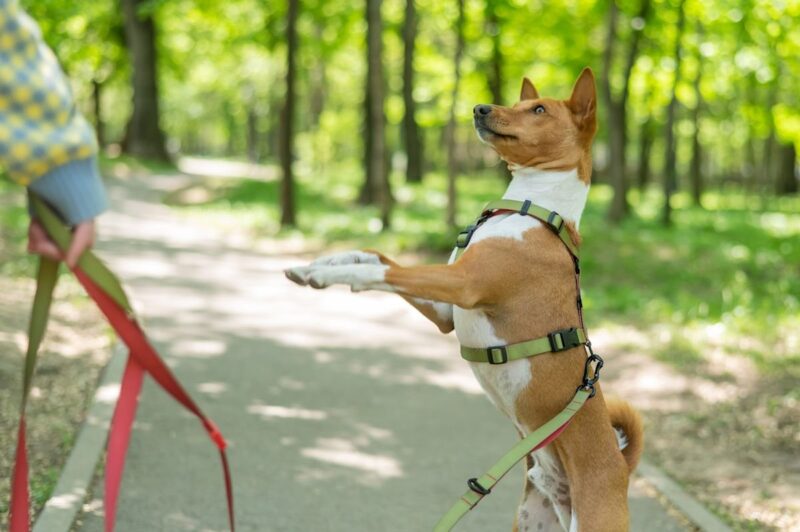
Many training problems begin when owners increase the difficulty too quickly. They move from a calm living room to a crowded park and expect the same response.
Start in an easy environment. Ask for a simple behavior such as sit, down, place, or come. Reward the correct response immediately. Repeat, then stop while your dog is engaged.
Once the response becomes consistent, make one small change. Practice near an open window, in the hallway, by the front door, or in the driveway during a quiet part of the day.
The goal is not to test your dog. The goal is to create successful repetitions that build understanding and confidence.
Increase One Challenge at a Time
Distance, duration, and distraction are three separate challenges. Raising all three at once can make an easy command feel impossible.
Imagine asking your dog to stay for two minutes while you stand twenty feet away and another dog walks nearby. Even a dog with a solid stay may struggle.
If you increase distance, keep the duration short and the surroundings calm. If you add a distraction, remain close. If you extend the duration, reduce movement around your dog.
This also makes mistakes easier to understand. When your dog stops responding, you can identify what changed and adjust the next attempt.
Use Rewards That Match the Situation
A piece of regular kibble may work indoors but lose value outside. The environment may offer stronger rewards, including smells, movement, people, and animals.
Choose something your dog values at that moment. This could be a small treat, praise, a toy, a quick game, or permission to sniff. For some dogs, moving toward an interesting area is more motivating than food.
Reward quickly after the correct behavior. Delayed rewards can make it difficult for the dog to understand which action earned the result.
As the skill improves, rewards can become less predictable. However, strong responses around difficult distractions should still be recognized.
Stop Repeating the Same Command
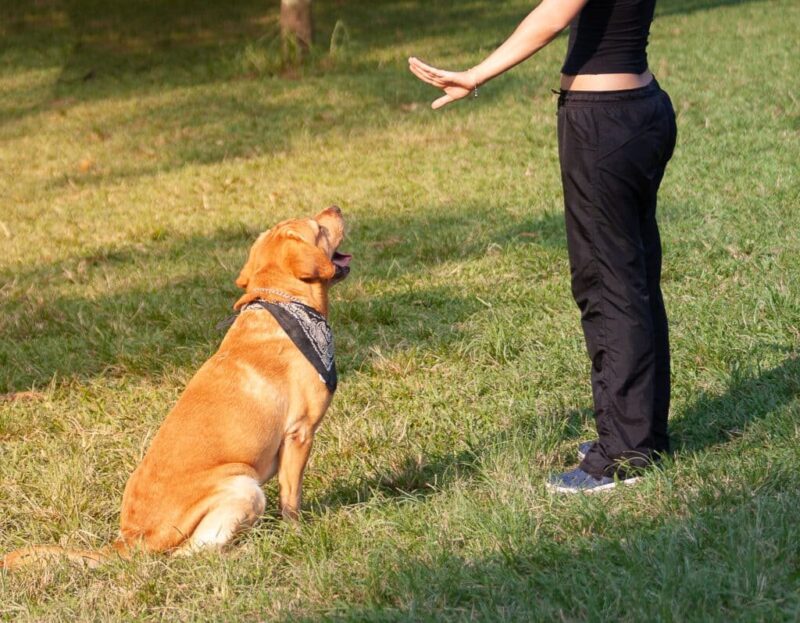
Repeating “come” six times does not make the cue clearer. It may teach your dog that the first several repetitions are optional.
Give the cue once when success is realistic. If your dog does not respond, make the situation easier. Move closer, create more distance from the distraction, or use a leash or long line to prevent the wrong choice from being rehearsed.
Avoid raising your voice out of frustration. A louder command does not fix a training setup that is too difficult.
Clear cues work best when owners follow them with consistent guidance and an achievable path to success.
Turn Daily Routines Into Practice
Training does not need to happen during formal sessions. Everyday routines provide many opportunities.
Ask for a sit before opening the door. Practice place while preparing dinner. Reward loose-leash walking before allowing your dog to sniff. Use a release word before the dog exits the car or begins eating.
These lessons may last only a few seconds, but they teach your dog that calm behavior and responsiveness matter throughout the day.
Household consistency is important. If one person rewards jumping while another discourages it, the dog receives mixed information. Choose rules everyone can follow.
Watch for Stress and Overstimulation
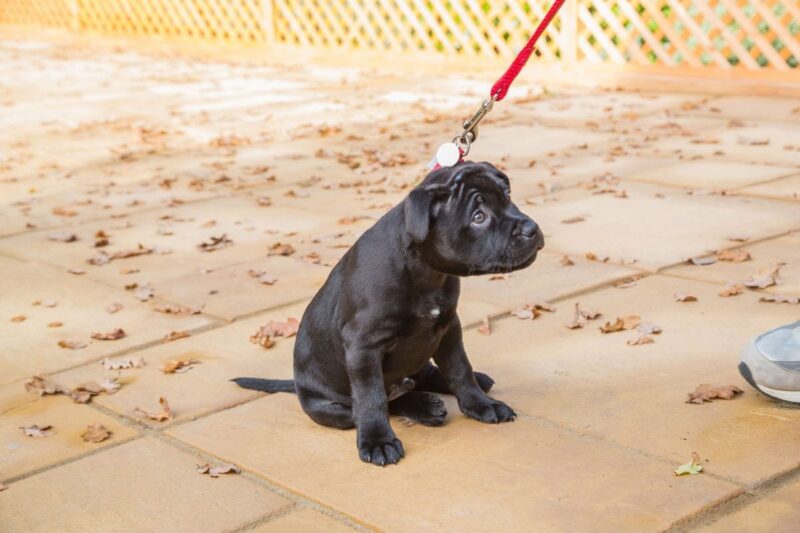
A distracted dog and an overwhelmed dog are not always the same. Heavy panting, pacing, freezing, refusing food, barking continuously, lunging, or trying to escape may show that the environment is too difficult.
Create distance and allow your dog to settle. Do not force interaction with unfamiliar people, animals, surfaces, or sounds. Exposure should help the dog become more comfortable, not make them feel trapped.
Sudden behavior changes should also be discussed with a veterinarian. Pain, illness, or discomfort can affect focus, movement, sleep, and reactions.
Know When Professional Guidance Helps
Some owners can solve distraction problems by lowering the difficulty and practicing consistently. Others need help identifying triggers, improving timing, or creating a safer training plan.
Professional support can help owners set goals and understand how to maintain progress between sessions.
Training works best when the owner remains involved. The dog must learn that the same cues and expectations apply with family members during ordinary daily life.
Progress Will Not Be Perfect
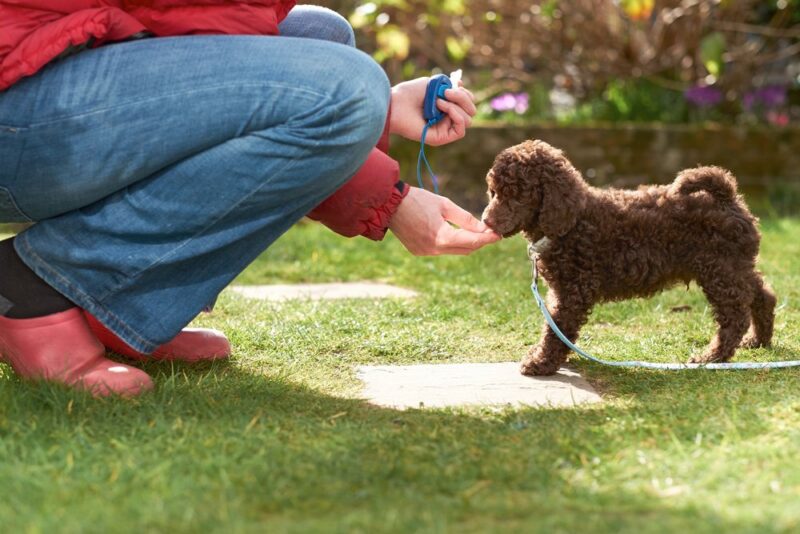
Dogs have easier days and harder days. Sleep, weather, excitement, health, and recent experiences can affect performance. One difficult session does not erase previous learning.
When a familiar skill falls apart, reduce the challenge. Shorten the duration, move farther from the distraction, or choose a quieter location. Help your dog succeed instead of repeating a command they cannot currently follow.
Reliable behavior grows through clear communication, suitable rewards, gradual challenges, and many successful repetitions. With patient practice, the commands your dog understands at home can begin to work on walks, around visitors, and throughout everyday life.