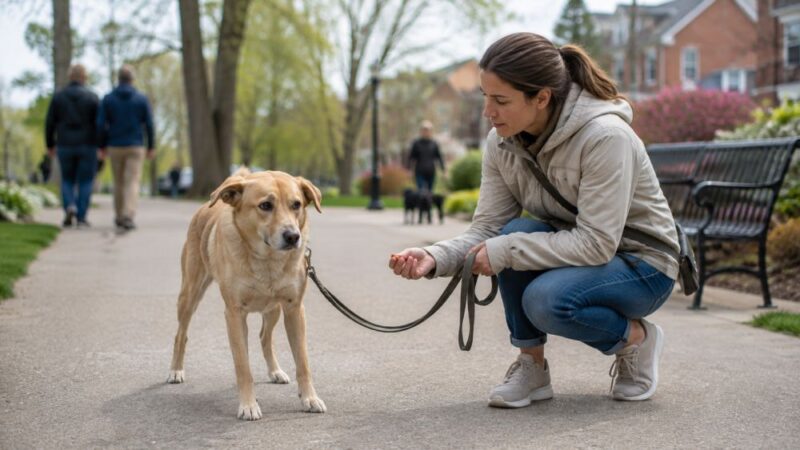
You ask your dog to sit in the kitchen, and they do it instantly. Then you step outside, repeat the cue, and your dog ignores it. Frustrating? Absolutely. Unusual? Not at all.
Dogs do not automatically understand that a behavior learned in one place applies everywhere. Sitting beside the refrigerator can feel different from sitting near traffic, squirrels, children, unfamiliar dogs, and interesting smells. Reliable obedience develops through practice in multiple environments.
Your Dog Is Not Being Stubborn
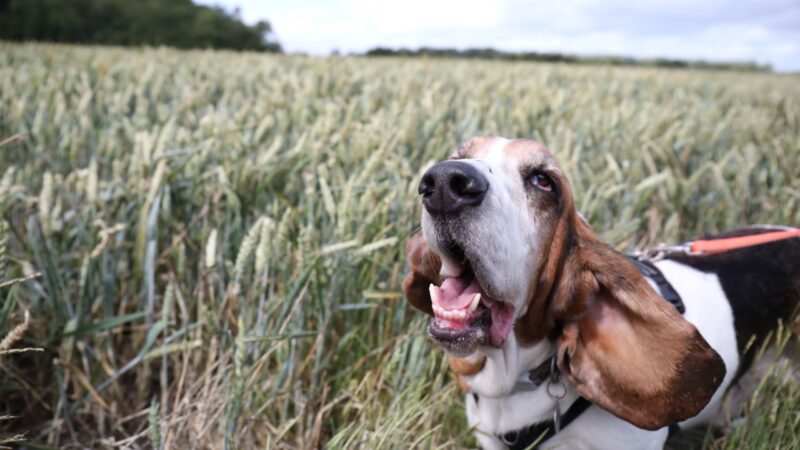
It is easy to take ignored commands personally. You might think your dog knows better and is choosing not to listen. In many cases, however, the environment is simply more powerful than the training.
This is why professional guidance from Off Leash K9 Training Albany can be helpful when a dog performs well at home but struggles around real-world distractions. A trainer can identify skill gaps and set an appropriate practice level.
Start Where Success Is Easy
Many owners move too quickly from the living room to a busy park. When the dog fails, they repeat commands, pull on the leash, or become frustrated. That usually creates confusion instead of progress.
Begin in the quietest place where your dog can focus. Ask for a familiar behavior such as sit, down, place, or come. Reward the correct response immediately. Once the dog succeeds consistently, make the exercise slightly harder.
You might open a window, move closer to the front door, practice in the driveway, or work while another family member walks through the room. Small changes teach your dog to notice distractions without completely losing focus.
Change Only One Thing at a Time

Training becomes difficult when distance, duration, and distraction increase together. Imagine asking your dog to stay for two minutes, while you stand twenty feet away, as another dog passes nearby. Even if your pet understands “stay,” that combination may be too advanced.
If you increase distance, keep the stay short and the setting quiet. If you add a distraction, remain close and reward quickly. If you increase duration, reduce movement around the dog.
This approach gives you useful information. When your dog struggles, you can identify what changed and make the next attempt easier. Training becomes less emotional because failure is treated as feedback, not defiance.
Make Rewards Worth the Effort
A piece of ordinary kibble might work in the kitchen but become meaningless outdoors. The harder the environment, the more valuable the reward may need to be.
Try a favorite treat, a quick toy game, praise, or permission to sniff. For many dogs, access to the environment is rewarding. Ask for a few seconds of attention, then release your dog to investigate a tree. This turns sniffing into part of the lesson.
Rewards should be delivered promptly. If several seconds pass after the correct behavior, your dog may not understand what earned the reward. Good timing helps connect the cue, the action, and the positive outcome.
Stop Repeating Commands
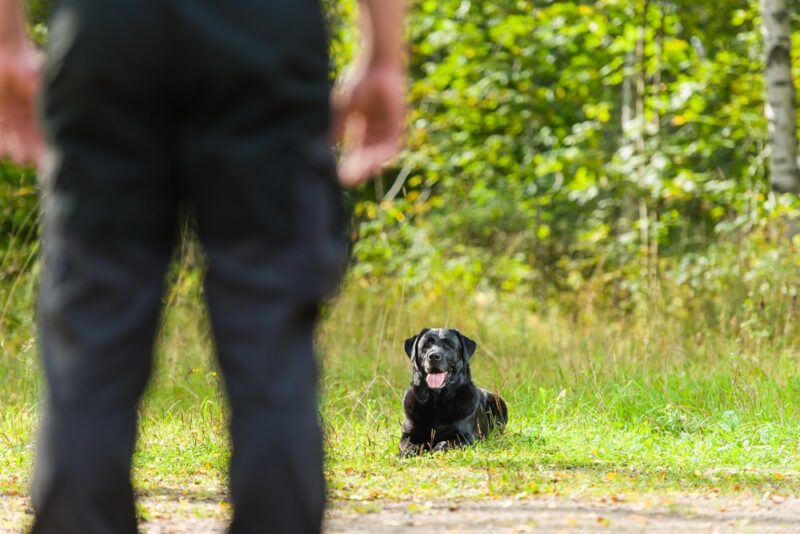
Saying “come” six times does not make the cue clearer. It may teach your dog that the first five repetitions can be ignored.
Give the cue once when you have a reasonable chance of success. If the dog does not respond, reduce the difficulty. Move closer, create more distance from the distraction, or use a leash or long line to prevent the dog from practicing the wrong choice.
Avoid calling your dog for something they strongly dislike every time, such as ending play or leaving the park. Sometimes call them, reward generously, and release them to continue having fun. This helps prevent recall from becoming a signal that everything enjoyable is over.
Use Everyday Life as Practice
Formal sessions are useful, but your dog learns during the rest of the day too. Daily routines provide dozens of opportunities to reinforce calm, responsive behavior.
Ask for a sit before opening the door. Practice place while preparing dinner. Reward loose-leash walking before allowing your dog to greet someone. Use a release word before the dog exits the car or begins eating.
These small moments matter because they show your dog that listening is not an activity limited to scheduled training. It is simply part of how the two of you communicate.
Watch Your Dog’s Stress Level

A distracted dog and an overwhelmed dog are not always the same. If your dog is pacing, panting heavily, refusing food, barking continuously, lunging, freezing, or trying to escape, learning may not be happening effectively.
Create more distance from the trigger and allow the dog to settle. Do not force interaction with unfamiliar people, dogs, surfaces, or sounds. Gradual exposure should help your dog feel more capable, not trapped.
Sudden behavior changes also deserve attention. Pain, illness, or discomfort can affect concentration and reactions. If a normally responsive dog becomes unusually irritable, hesitant, or withdrawn, speak with a veterinarian before assuming the issue is purely behavioral.
Progress Will Not Be Perfect

Dogs have good days and difficult days, just like people. Sleep, exercise, stress, weather, health, and recent experiences can all affect performance. One poor session does not erase previous progress.
Adjust your plan based on what the dog shows you. Effective training is not about proving that the dog should obey. It is about creating enough successful practice that the desired response becomes familiar and dependable.
Final Thought
When your dog ignores you outside, it does not mean training has failed. It means the lesson is not finished yet.
Start in an easier environment, raise distractions gradually, reward effort, and avoid asking for more than your dog can currently manage. With patient repetition, clear communication, and realistic expectations, the skills your dog shows at home can begin to appear on sidewalks, in parks, around visitors, and throughout everyday life.
That is when obedience becomes truly useful. It is no longer something your dog performs only in the kitchen. It becomes a shared language that helps both of you move through the world with greater confidence.