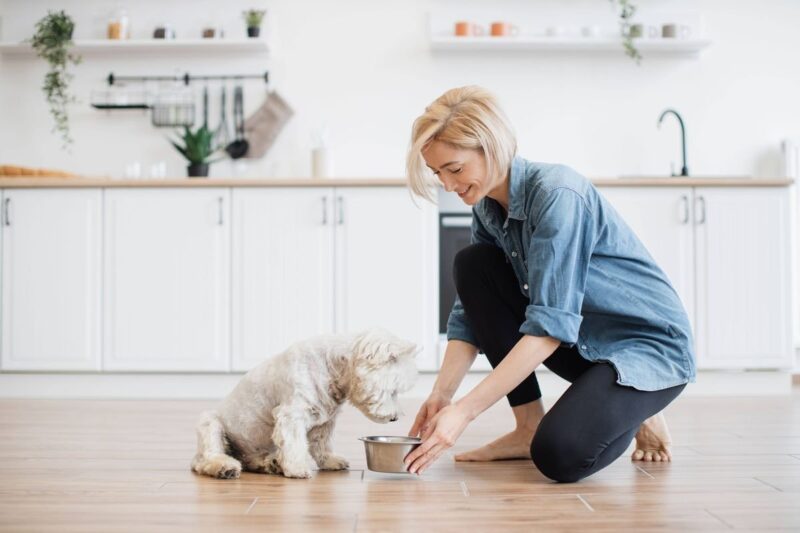
Your dog sits perfectly in the kitchen outside, and suddenly it feels as though every cue has disappeared.
This frustration does not usually mean that a dog is stubborn or has forgotten everything. More often, the dog learned to respond in one familiar setting but has not learned that the same rules apply around new sights, sounds, smells, people, and animals.
Outdoor reliability can improve with patience, realistic expectations, and a plan that gradually prepares your dog for greater distractions.
Dogs Do Not Generalize Skills Automatically
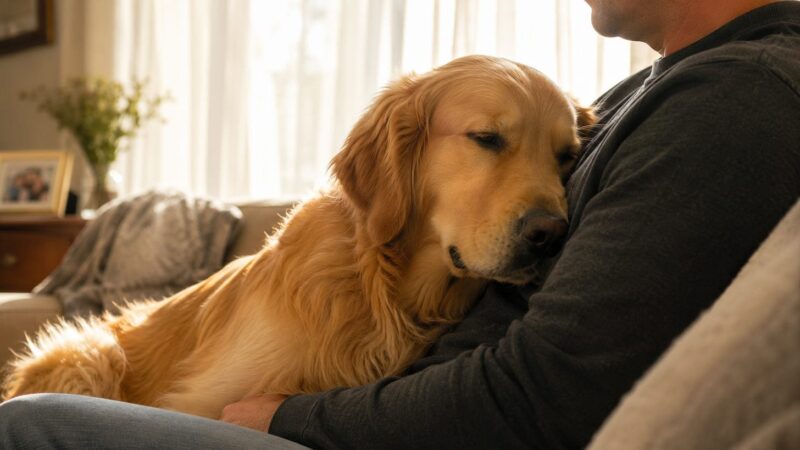
People understand that “sit” means the same thing in the living room, at a park, or beside a busy sidewalk. Dogs do not always make that connection automatically.
A dog may associate the cue with a specific room, your body position, or the quiet conditions in which training happens. When those details change, the behavior may become less reliable.
The cue is familiar, but the situation is not. Practice skills in several controlled locations. Begin in different rooms, then move to the garage, driveway, yard, and other quiet outdoor spaces. Each change teaches your dog that the cue applies everywhere.
Outdoor Distractions Compete for Attention
The outdoor world is full of information. A passing dog, bicycle, squirrel, new scent, or neighbor opening a door can pull your dog’s focus away from you.
These distractions may be more interesting than a command practiced indoors. Your dog is not necessarily choosing to disobey. Their attention is being captured by something exciting, unfamiliar, or emotionally intense.
Give your dog a moment to observe the environment. Let them sniff and look around. Once their initial excitement settles, begin with simple cues they know well.
Start With Easier Outdoor Environments
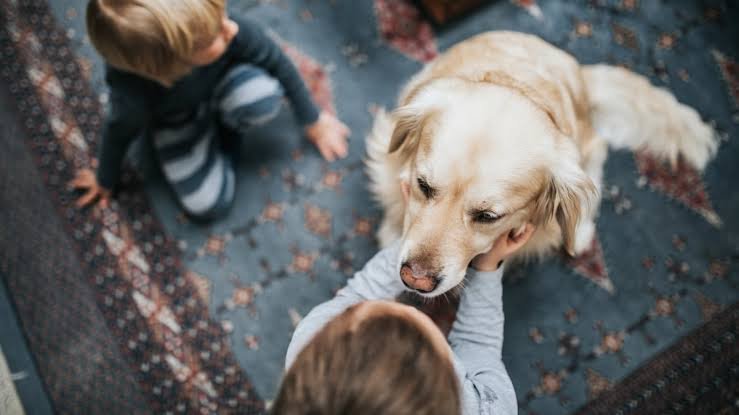
A crowded park is rarely the best place to begin distraction training. It asks the dog to manage too much before the foundation is strong enough.
Choose a quiet area where you can control distance from distractions, such as a driveway, empty parking area, or low-traffic section of a neighborhood.
Begin with easy behaviors such as:
- Responding to their name
- Making eye contact
- Sitting beside you
- Following a few steps on leash
- Coming from a short distance
Reward successful responses and keep the session brief. Five focused minutes can be more productive than a long session in an overwhelming environment.
Increase Distractions One Step at a Time
Training improves when difficulty increases gradually. If your dog can sit while a person walks past twenty feet away, try fifteen feet during the next session. If they remain calm around one stationary dog, practice near a slowly moving dog at a comfortable distance.
Avoid changing several things at once. Do not add a new location, closer distraction, and longer duration during the same exercise. Adjust one challenge at a time.
When your dog struggles, move farther away, shorten the exercise, or return to an easier cue. This is not a setback. It shows what your dog is ready to handle.
Make Yourself Worth Paying Attention To
Many owners repeat a cue louder when their dog does not respond. Repeating commands can teach the dog that the first request is optional.
Instead, use rewards your dog values, such as small treats, praise, toys, or permission to sniff. The reward should match the environment. Kibble may work in the kitchen, but a better reward may be needed near other dogs or wildlife.
Movement can also regain attention. Take a few quick steps backward, change direction, or encourage your dog to follow. Calm movement is often more effective than repeating the same word.
Practice Engagement Before Obedience
Outdoor training is easier when your dog learns to check in with you voluntarily.
Stand in a quiet area with your dog on leash. Wait without giving a cue. The moment your dog looks at you, praise and reward the behavior. Repeat this several times.
Your dog begins to learn that paying attention to you leads to good things. This simple habit supports recall, leash walking, impulse control, and calmer responses around distractions.
Engagement does not require constant eye contact. It teaches your dog to reconnect with you instead of remaining absorbed in the environment.
Know When Professional Help Is Appropriate
Some dogs struggle outside because of fear, anxiety, strong prey drive, frustration, or reactivity. Basic practice may not be enough, and pushing the dog too quickly can make the behavior worse.
Professional guidance can help identify why the dog is losing focus and create a plan based on temperament, training history, and daily environment. Owners looking for structured support can consult Off Leash K9 Training Fort Myers to learn about training options for real-world obedience and common behavior challenges.
A qualified trainer should help you understand the process, not simply handle the dog for you. Long-term results depend on the owner learning how to communicate clearly and reinforce expectations at home.
Avoid These Common Training Mistakes
Outdoor training often improves more slowly when owners unknowingly make it harder. Common mistakes include:
- Moving into busy environments too soon
- Repeating cues without following through
- Training after the dog is already overstimulated
- Using rewards the dog does not value
- Making sessions too long
- Expecting perfect behavior after a few practices
- Punishing the dog for being confused or afraid
Progress is rarely a straight line. A dog may perform well one day and struggle the next because the environment, energy level, or distractions have changed.
Final Thoughts
A dog who listens indoors but ignores commands outside is not necessarily being difficult. The skill has not yet been fully practiced around real-world distractions.
Start in calm places, reward attention, raise the difficulty gradually, and keep sessions short enough for your dog to succeed. When the environment becomes too challenging, create more distance and return to a level your dog understands.
Reliable obedience is built through repetition in many situations. With steady practice and clear communication, the behaviors your dog knows at home can become dependable habits wherever you go.