
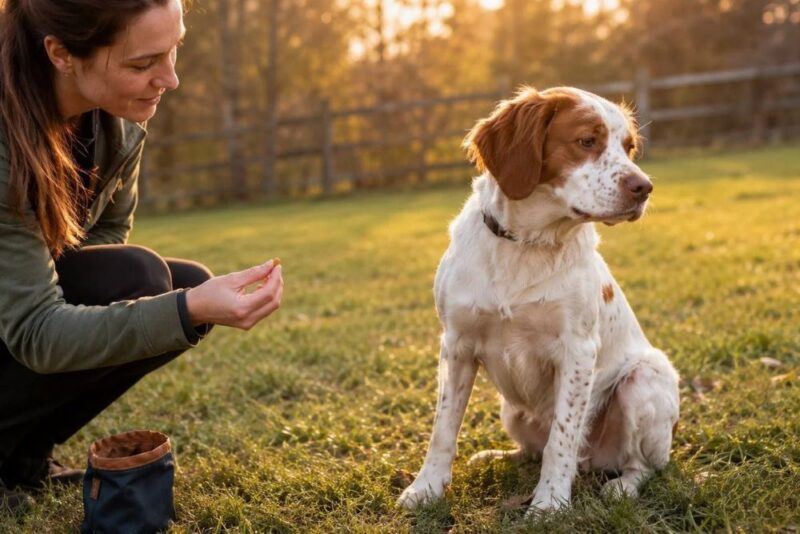
A dog can look perfectly trained in the living room and completely different once the front door opens. Sit becomes optional, recall disappears, and a calm walk can turn into pulling the moment another dog, cyclist, squirrel, or interesting smell appears.
That difference does not necessarily mean the dog is stubborn. It often means the environment has become more difficult than the training the dog has practiced so far.
For owners who want additional help building dependable behavior around real-world distractions, Off Leash K9 Training Syracuse is one local resource to explore.
The goal is not to make a dog ignore everything around them. It is to help the dog notice the environment while still being able to respond to the person handling them.
Start Where Your Dog Can Succeed
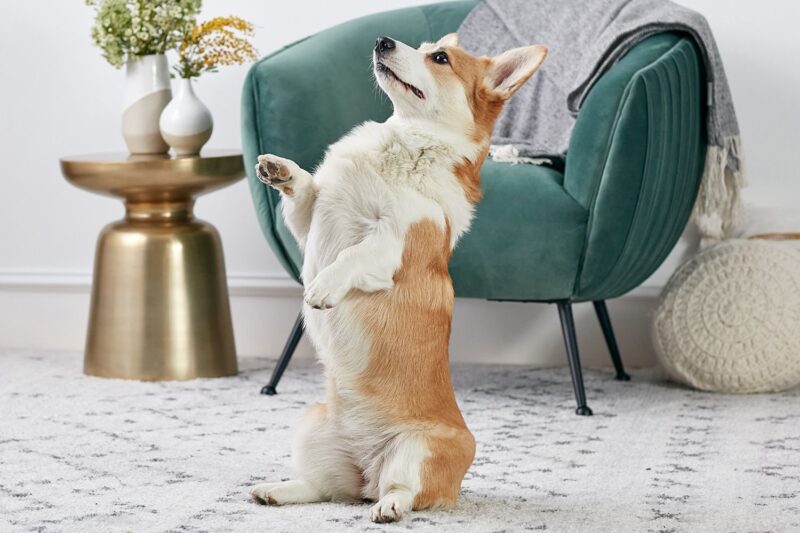
If your dog can sit reliably in the kitchen, try the same cue in another room. Then move to the backyard. After that, practice near the driveway or on a quiet sidewalk.
Each new location adds different sounds, smells, movement, and visual distractions.
When the dog responds successfully, the difficulty can increase gradually. If the dog stops responding completely, reduce the challenge instead of repeating the command over and over.
Understand Your Dog’s Distraction Level
Not every distraction has the same value to every dog.
One dog may ignore passing cars but become intensely interested in squirrels. Another may stay calm around wildlife but lose focus when another dog appears.
Watch for the point where your dog’s behavior begins to change.
Early signs may include staring, leaning forward, speeding up, slowing down, closing the mouth, ignoring food, or repeatedly looking toward the distraction.
You can create additional distance, change direction, ask for an easy behavior, or reward your dog for looking back toward you.
Use Distance as Part of Training
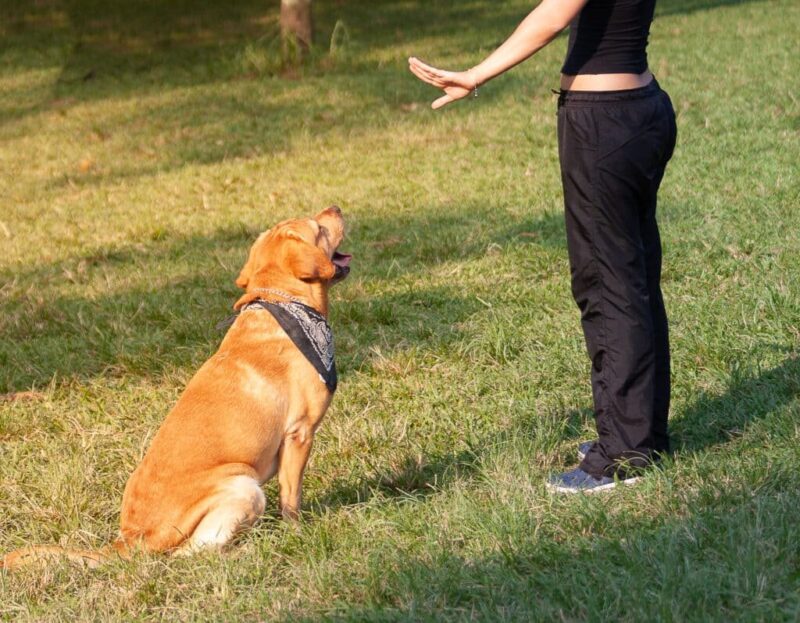
Distance is one of the simplest ways to adjust difficulty.
Imagine that your dog can watch another dog from fifty feet away while still responding to their name. At twenty feet, your dog begins pulling. At ten feet, barking starts.
Training at ten feet may create more frustration than learning.
Begin farther away, where your dog can notice the distraction but still think clearly. Practice attention, loose-leash walking, or another familiar behavior.
As responses become more consistent, you can gradually work closer.
Reward Attention Before You Lose It
Owners often wait until the dog is already pulling or barking before trying to regain attention.
If your dog sees another dog and then looks back at you, reward that moment. If your dog notices a cyclist but keeps walking beside you, acknowledge the choice.
These small decisions are valuable because they show that the dog is learning to notice something interesting without completely disconnecting from the handler.
Rewards can include food, praise, play, or permission to move toward something the dog enjoys when appropriate.
Stop Repeating Commands
It is easy to fall into the habit of saying, “Come. Come. Come here. Come!”
Repeated cues can become background noise.
If a dog understands a command at home but ignores it outdoors, ask why the response failed.
Was the dog too distracted? Was the distance too great? Was the reward too weak? Has the dog practiced the skill in this environment before?
Changing the situation may be more productive than repeating the same word louder.
Give the cue once when possible, then help the dog succeed by reducing difficulty or changing your position.
Practice Real-Life Skills on Normal Walks
A walk does not have to be only about covering distance.
Practice a calm pause before leaving the house. Reward loose-leash walking for a few steps. Ask for a sit before crossing the street. Change direction and encourage your dog to follow. Reinforce check-ins when distractions appear.
A fifteen-minute walk with several successful training repetitions may be more useful than an hour spent allowing the dog to practice pulling.
Build Recall Carefully
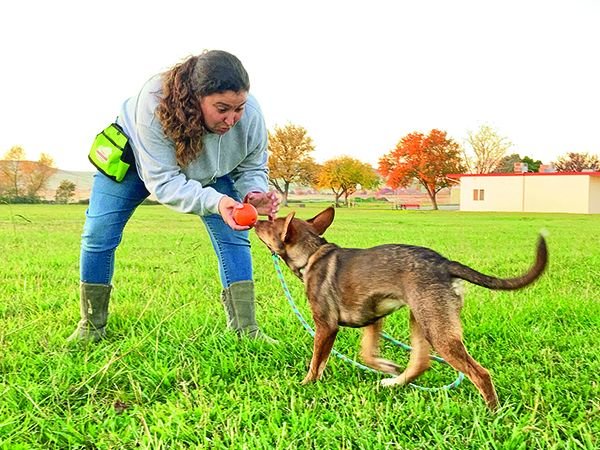
Recall is especially difficult around distractions because returning to the owner may mean leaving something exciting behind.
Practice indoors, then in a secure yard or controlled area. Increase distance gradually and reward successful returns.
Avoid testing recall in situations where you already expect the dog to fail.
If the dog has never practiced returning around squirrels, dogs, or busy activity, those situations are not ideal places to discover whether the command is reliable.
Keep Sessions Short
Dogs can become tired, frustrated, or less attentive when training continues too long.
Several short sessions throughout the day may be easier to maintain.
Practice three recalls in the yard. Work on calm doorway behavior before breakfast. Spend five minutes on leash skills during an evening walk.
Short, focused practice also makes training easier for owners to fit into normal routines.
Watch for Small Improvements
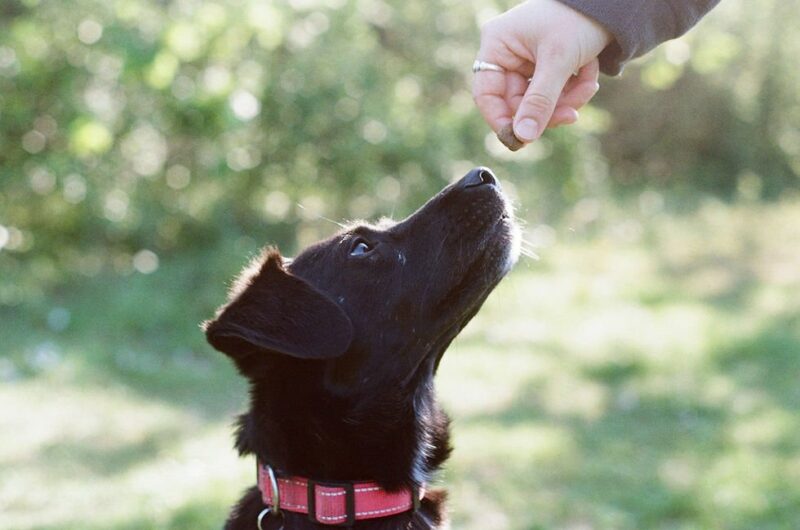
Progress may not look dramatic from one day to the next.
A dog who once barked immediately at another dog may begin watching quietly for several seconds first. A dog who pulled constantly may start offering a few loose-leash steps. Recall may become faster even if it is not perfect.
Measure improvement against your dog’s previous behavior rather than comparing your dog with someone else’s.
Training is rarely a straight line. A busy environment, lack of sleep, excitement, or an unusually difficult distraction can affect performance on any given day.
Make Everyday Attention the Goal
A dog does not need to stare at the handler throughout every walk.
Your dog should be able to explore, sniff, and notice what is happening while still responding when needed.
That ability develops through practice in manageable situations, consistent cues, meaningful rewards, and gradually increasing distractions.
When a dog struggles outside, do not assume the training has disappeared. The dog may simply need more experience applying familiar skills in a harder environment.
Start easier, reward successful choices, and increase difficulty slowly.
Over time, the commands that work beautifully in the living room can become useful skills in the places where they matter most.