
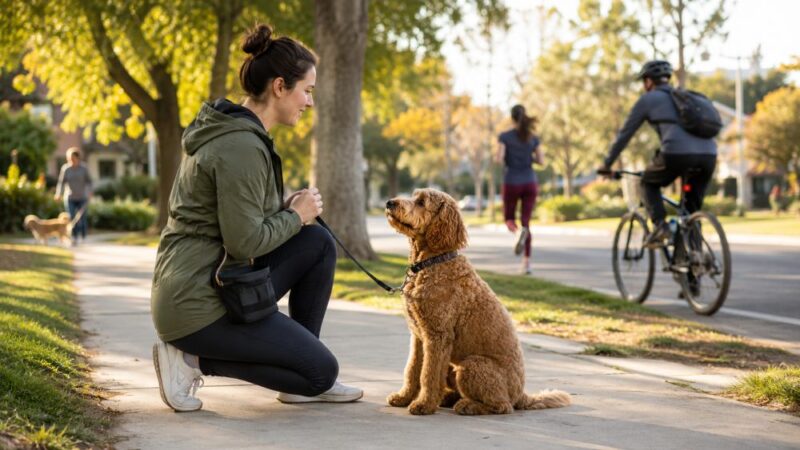
A dog can look perfectly trained in the living room and completely different once real life gets involved. The leash comes out, the doorbell rings, another dog appears across the street, or a squirrel darts across the yard. Suddenly, familiar commands seem much harder.
That change does not necessarily mean your dog has forgotten everything. It usually means the environment has become more challenging than the situations in which those skills were practiced.
For families that want additional guidance, Off Leash K9 Training Winston-Salem is one local resource to consider when working toward more dependable everyday behavior.
The aim is reliable communication that holds together even when the environment becomes interesting and unpredictable.
Start With Skills Your Dog Already Understands

Before adding distractions, make sure the basic behavior is clear.
If your dog is learning sit, down, place, recall, or leash manners, begin somewhere quiet. A living room, hallway, or fenced yard can be a useful starting point.
Once your dog responds consistently, change one thing at a time. Practice in another room. Move closer to the front door. Try the same cue in the driveway.
This gradual approach helps your dog learn that a familiar command still applies when the surroundings change.
Build a Distraction Ladder
Not every distraction is equally difficult.
Think of distractions as steps on a ladder.
At the easier end, you might have a quiet backyard, distant traffic, or a person standing far away. Higher on the ladder could be moving dogs, wildlife, visitors, or busy public spaces.
Begin where your dog can succeed. If they completely stop responding, the challenge may be too difficult.
Use Distance to Make Training Easier
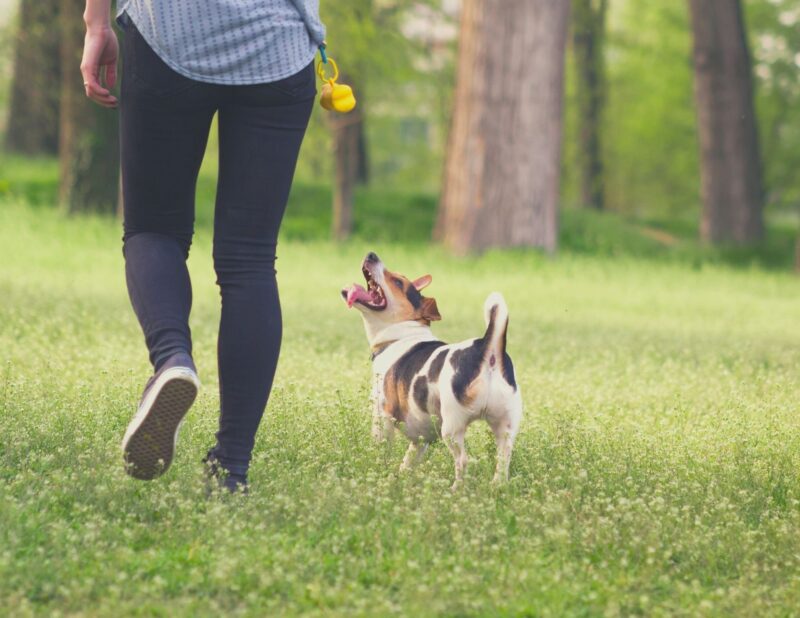
Distance can change a difficult situation into a manageable one.
Imagine your dog sees another dog from fifty feet away and can still respond to their name. At twenty feet, your dog starts staring. At ten feet, pulling or barking begins.
Start farther away, where your dog can notice the distraction without losing all ability to respond. Practice attention, loose-leash walking, or another familiar behavior there.
As your dog improves, gradually decrease the distance.
This gives the dog opportunities to practice successful behavior instead of repeatedly rehearsing pulling, barking, or ignoring you.
Reward Attention Before You Lose It
Dog owners often react after something goes wrong.
The dog pulls, so the leash tightens. The dog jumps, so someone pushes them down. The dog barks, and suddenly everyone is focused on the barking.
Try noticing good choices sooner.
If your dog sees another dog and looks back at you, reward that moment. If they walk several steps without pulling, acknowledge it. If a visitor approaches and all four paws remain on the floor, reinforce the behavior.
Rewards can include food, praise, play, or access to something your dog enjoys.
Practice During Normal Walks

A walk does not need to be measured only by distance.
For a dog learning better focus, a shorter walk with several successful training moments may be more productive than an hour spent practicing pulling.
Use normal walks to work on useful habits.
Ask for a calm pause before leaving the house. Reward loose-leash steps. Practice a sit before crossing the street. Change direction and encourage your dog to follow. Reinforce check-ins when something interesting appears.
Stop Repeating Commands
Many owners have experienced the disappearing recall.
“Come.”
Nothing.
“Come!”
Still nothing.
Repeating a cue again and again can make it less meaningful.
If your dog normally understands a command but does not respond outside, consider why. Is the distraction too difficult? Are you too far away? Has the dog practiced this behavior in the current environment?
Sometimes the solution is not saying the command louder. It is making the situation easier.
Move closer, create more distance from the distraction, or return to a simpler version of the exercise.
Keep Sessions Short
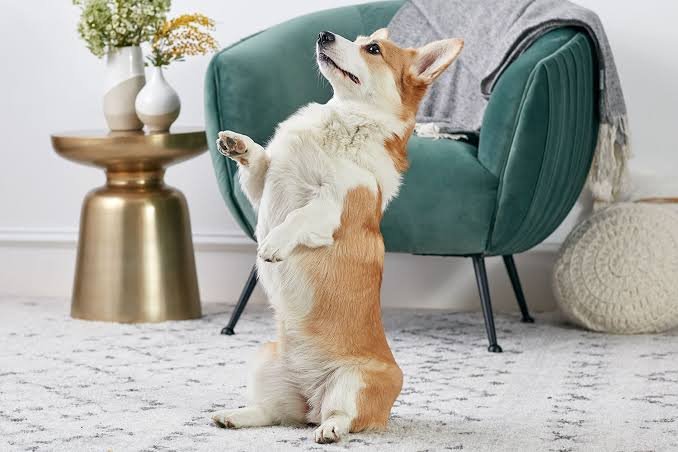
Training does not need to become a long daily project.
A few focused minutes can be useful, especially when repeated throughout the day.
Practice three recalls in the yard. Work on calm doorway behavior before breakfast. Spend five minutes on leash skills during an evening walk. Ask for place while preparing dinner.
Short sessions are easier to fit into normal routines and can help prevent frustration for both dog and owner.
Make Household Rules Consistent
Training becomes confusing when different people have different expectations.
One family member may allow jumping while another discourages it. Someone may use “down” to mean lie on the floor, while another person uses the same word to tell the dog to get off furniture.
Agree on a few important rules and cues.
Everyone does not need to sound identical, but the same behaviors should generally lead to the same outcomes.
Watch for Small Improvements
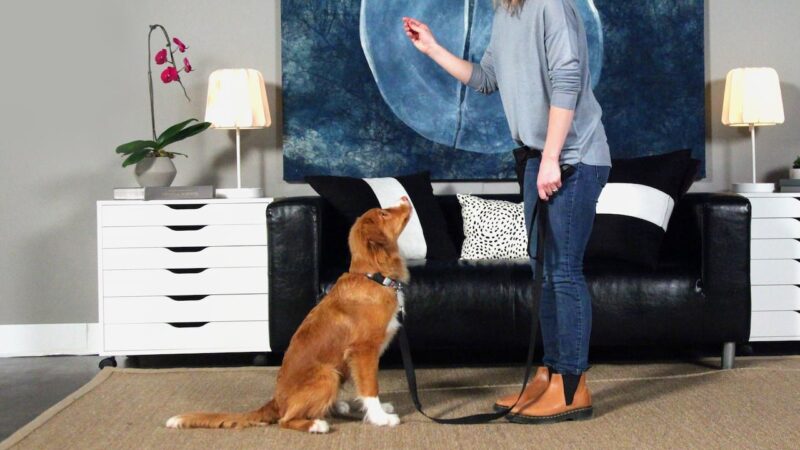
Progress is not always dramatic.
Maybe your dog recovers faster after seeing another dog. Perhaps leash pulling happens less often. Your dog may check in with you more frequently or respond to recall around mild distractions.
Those changes matter.
Dogs can also have easier and harder days. A busier environment, unusual noises, excitement, or fatigue can affect performance.
Look at the overall pattern instead of judging training from one difficult walk.
Build Reliability One Situation at a Time
A dog who listens well at home already has a useful foundation. The next step is helping that dog apply familiar skills in more challenging places.
Start easy. Add distractions gradually. Use distance when needed. Reward the choices you want repeated. Keep practice short and consistent.
Most importantly, avoid assuming your dog is deliberately being difficult simply because a command falls apart outside.
Often, the dog is showing you that the environment is harder than the training they have practiced so far.
When owners adjust the challenge and create more opportunities for success, indoor skills can gradually become dependable everyday habits. That is what makes training useful: not perfect performance in a quiet room, but better communication when real life gets interesting.