
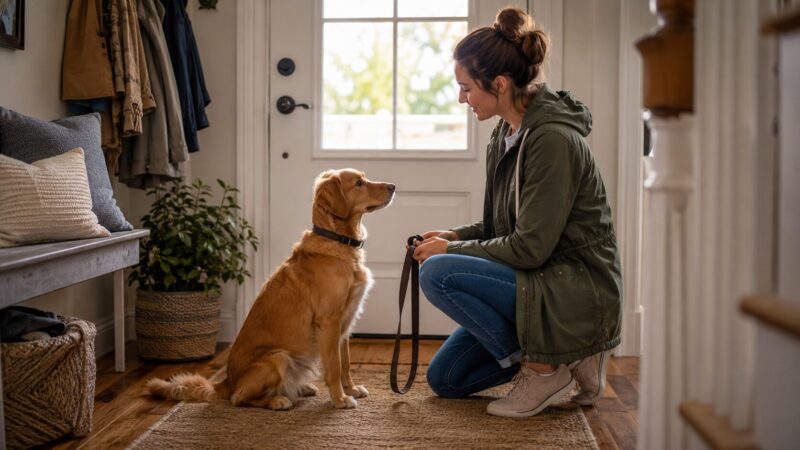
Dog training often looks easiest in a quiet room. Your dog sits when asked, waits for a treat, and follows you across the living room. Then the front door opens, a visitor arrives, or another dog appears on a walk, and those familiar skills suddenly become harder.
That difference does not necessarily mean your dog is stubborn. A behavior that works at home may need more practice around new distractions before it becomes dependable in daily life.
For owners who want additional guidance, Off Leash K9 Training Dover, DE is one local resource to consider when building a more consistent training routine.
Start With the Behaviors That Matter Most
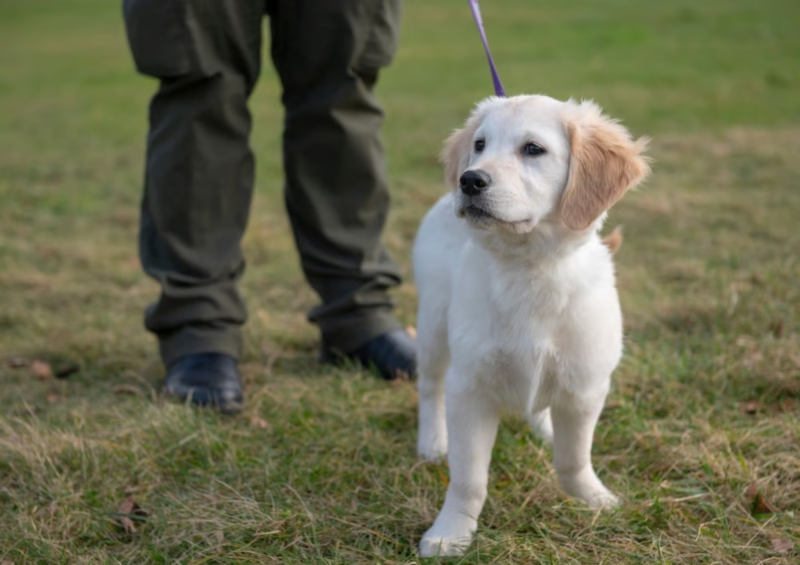
Not every dog needs the same priorities. One family may need calmer greetings. Another may want better leash manners.
Choose two or three behaviors that would make everyday life easier and work on those first.
Specific goals are easier to practice than vague ones. “Walk beside me for ten steps without pulling” gives you something clear to reinforce. “Behave better on walks” does not.
When the goal is easy to describe, it is easier to notice improvement.
Use Meals as Short Training Sessions
Feeding time is a simple opportunity to practice self-control.
Instead of placing the bowl down while your dog jumps or circles, ask for a brief pause. The pause does not need to be long. A second or two of calm behavior can be enough at first.
As your dog becomes more consistent, gradually increase the expectation. You can also use part of the meal to practice simple cues such as sit, down, place, or recall.
This turns something you already do every day into a useful training opportunity without adding another long session.
Practice Calm Doorway Manners
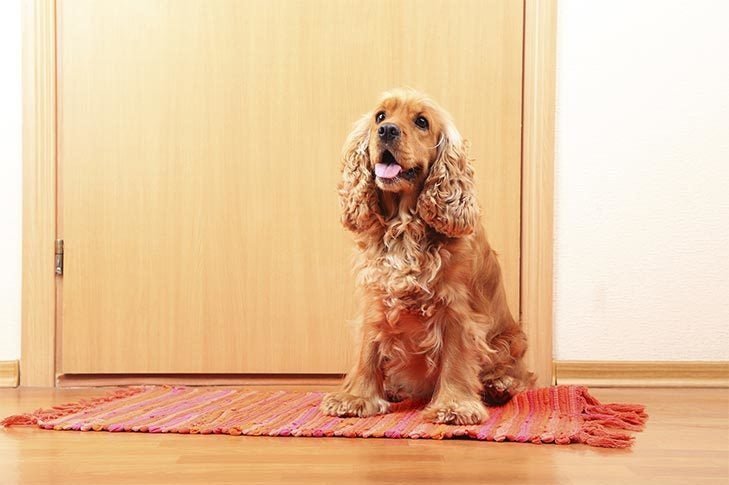
Doors often create excitement because they predict something interesting.
Start when nothing exciting is happening.
Approach the door with your dog. Ask for a calm pause. Touch the handle, then reward the dog for staying composed. Open the door slightly and close it again if your dog rushes forward.
The goal is not a long, perfect stay. It is to teach that calm behavior helps the door open.
Make Walks About More Than Distance
A successful walk is not always the longest walk.
Some dogs spend an hour outside practicing pulling, scanning, barking, or ignoring their owner. A shorter walk with several moments of focused practice can be more useful.
Reward your dog for checking in with you. Practice direction changes. Ask for a brief sit before crossing a street. Reinforce loose-leash steps before allowing time to sniff.
The goal is balance: your dog can explore while still responding when needed.
Train Before Guests Arrive
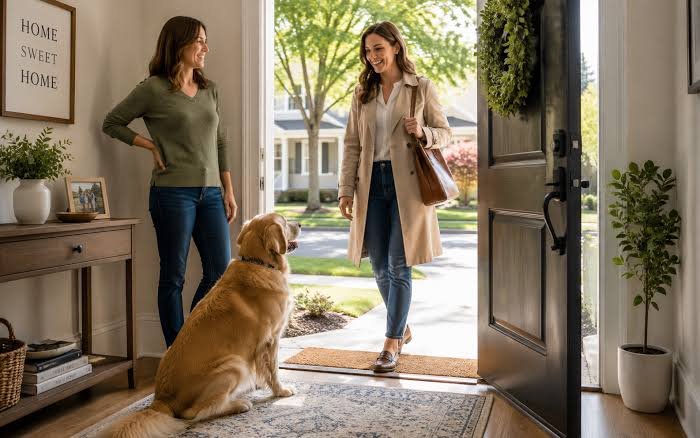
Waiting until the doorbell rings is often too late to introduce a new greeting routine.
Practice when the house is quiet. Have a family member walk toward the door while your dog practices going to a bed, holding a sit, or keeping four paws on the floor.
Later, add a knock. Then practice with someone opening the door. Eventually, work toward a real visitor.
Breaking the situation into smaller pieces gives your dog more chances to understand what you want before excitement reaches its highest level.
Reward Calm Behavior You Usually Ignore
Owners naturally notice behavior that causes problems. Jumping gets attention. Barking gets attention. Pulling changes the entire walk.
Calm behavior is easy to miss because nothing dramatic is happening.
If your dog lies quietly while you prepare dinner, acknowledge it. If your dog sees another dog and looks back at you, reinforce that choice. If all four paws stay on the floor during a greeting, reward the moment.
Training becomes clearer when dogs receive feedback for behaviors owners want to see again.
Keep Commands Consistent Across the Household
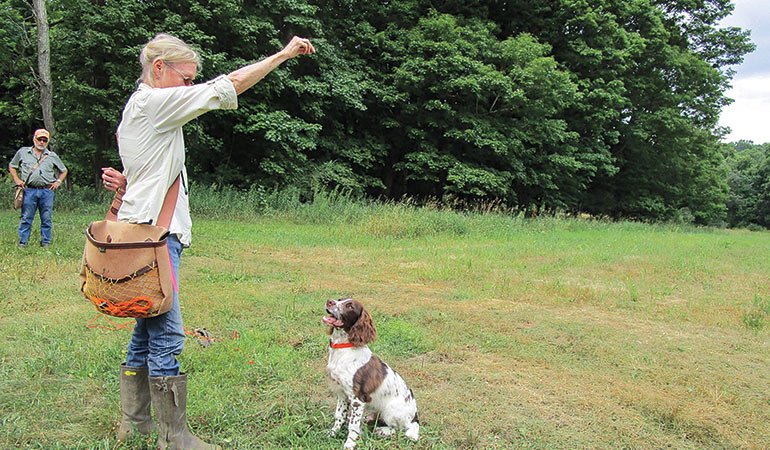
Mixed signals make learning harder.
One person says “down” to mean lie on the floor. Another uses “down” when the dog jumps. Someone else repeats the dog’s name instead of giving a clear cue.
Choose simple words for important behaviors and make sure everyone understands them.
House rules should also be reasonably consistent. If jumping is encouraged by one family member and discouraged by another, the dog receives two different lessons.
Consistency does not require everyone to sound identical. It means the same behaviors generally lead to the same outcomes.
Increase Difficulty One Step at a Time
Dogs often perform well in easy environments before struggling around distractions. That does not mean the training disappeared.
If your dog can hold a sit in the kitchen, try the hallway. Then move to the yard. Later, practice at a distance from mild activity.
If your dog stops responding completely, reduce the challenge. Create more distance, shorten the duration, or return to an easier environment.
Successful repetitions build stronger habits than repeatedly testing a dog where failure is likely.
End Sessions Before Everyone Gets Frustrated
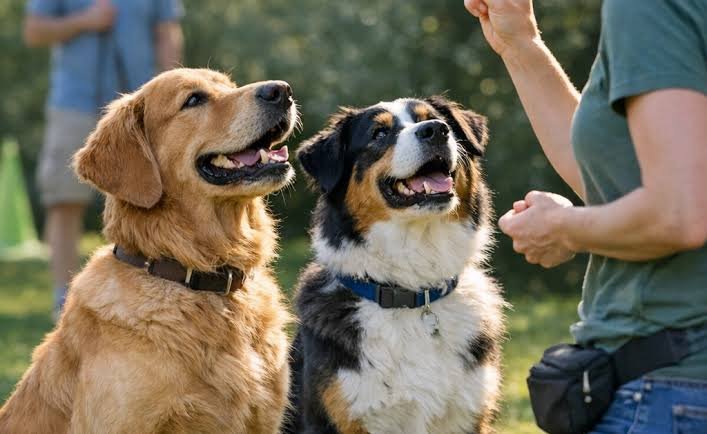
Training does not need to last thirty minutes. Two or three focused minutes can be useful, especially when repeated throughout the day.
Stop while your dog is still engaged. Take a break before either of you becomes frustrated.
A few recalls in the backyard, several calm doorway repetitions, or five minutes of leash work can fit into an ordinary schedule.
Consistency matters more than turning every session into a marathon.
Look for Progress in Everyday Life
Your dog may recover faster after becoming excited. Leash pulling may happen less often. A doorway pause may become easier. Recall may improve around mild distractions.
Those changes matter because they make daily routines more manageable.
Do not expect every day to look the same. Environment, energy level, and distractions can affect performance. Instead, compare your dog with where they started.
Reliable behavior grows through ordinary repetitions. When meals, doors, walks, greetings, and quiet moments become part of training, your dog gets more opportunities to practice useful choices.
That is how basic commands gradually turn into everyday manners that hold up when real life gets interesting.