

Did you know that feeding schedules can influence not only a dog’s digestion, but also long-term energy levels and even behavior? Studies in canine nutrition consistently show that when dogs are fed at the right frequency for their age and size, they maintain steadier blood sugar, healthier weight, and better nutrient absorption.
That raises a question many dog owners quietly wonder about but rarely feel confident answering. How many times a day should you actually feed your dog? The answer is not universal. It depends on life stage, body size, metabolism, and daily activity.
Getting it right is less about rigid rules and more about understanding how a dog’s body works at different phases of life.
Puppies need frequent meals to support rapid growth
Puppies grow at an astonishing pace, especially in the first six months. Their small stomachs cannot hold large portions, yet their bodies demand constant energy for bone development, muscle growth, and brain function. For this reason, puppies require more frequent meals than adult dogs.
A typical feeding schedule for puppies looks like this:
- Puppies under three months usually need four meals per day
- Puppies from three to six months do best with three meals daily
- Puppies older than six months can gradually transition toward adult schedules
Spacing meals evenly throughout the day helps stabilize blood sugar and prevents energy crashes. Skipping meals or feeding too infrequently can lead to weakness, especially in toy breeds. Consistency is key during this stage because feeding habits formed early often carry into adulthood. Puppy feeding is not just about calories, but about teaching the body how to regulate hunger properly.

Adult dogs and finding the right daily rhythm
Once a dog reaches adulthood, usually around one year for small breeds and up to two years for large breeds, feeding frequency can be adjusted. Most adult dogs do well on one or two meals per day, depending on size and lifestyle. Two meals are often recommended because they reduce hunger spikes and support steady digestion.
This is also the stage when choosing a balanced diet becomes essential. High quality options like adult dry food provide complete nutrition designed specifically for mature dogs, making it easier to portion meals accurately and maintain a consistent routine. Adult formulas are designed to match slower growth rates while still supporting muscle maintenance and immune health.
Dogs that exercise frequently or have fast metabolisms often benefit from two meals daily. Less active dogs may do fine with one carefully portioned meal. What matters most is watching your dog’s body condition and energy, then adjusting accordingly rather than following a rigid rule.
Feeding senior dogs with comfort and digestion in mind
As dogs age, their metabolism slows and digestion becomes less efficient. Senior dogs often experience changes in appetite, dental sensitivity, or gastrointestinal comfort. Feeding frequency can play a major role in supporting aging bodies.
Many senior dogs do better with two smaller meals rather than one large portion. Smaller meals are easier to digest and reduce the strain on aging digestive systems. They also help prevent bloating and discomfort that can follow large meals. Some older dogs with medical conditions may even benefit from three smaller meals if advised by a veterinarian.
Pay attention to changes in behavior around food. Slower eating, hesitation, or leaving food behind can signal discomfort rather than lack of hunger. Feeding schedules for seniors should prioritize comfort, predictability, and easy digestion rather than strict calorie reduction alone.
Important note ─ Aging does not automatically mean eating less often. It means eating in a way that supports gentler digestion and stable energy.
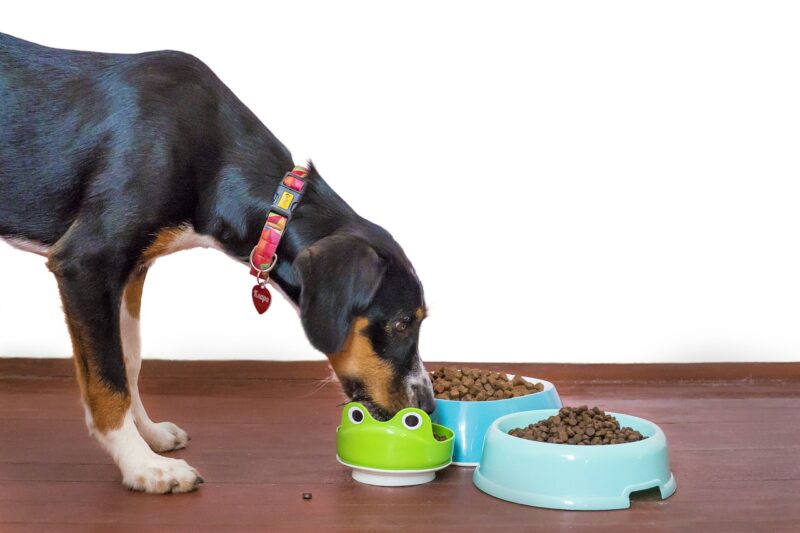
How dog size changes feeding frequency needs
Size matters when deciding how often to feed a dog. Smaller dogs have faster metabolisms and smaller stomach capacity. Larger dogs process food more slowly but are at higher risk for conditions like bloat if fed improperly.
Small breed dogs often benefit from two to three meals per day, even as adults. Their bodies burn energy quickly, and long gaps between meals can lead to low blood sugar or irritability. Medium breeds usually adapt well to two meals daily with consistent portion sizes.
Large and giant breeds require special care. Feeding once daily increases the risk of gastric torsion in some dogs. Two meals spaced evenly are usually safer and easier on their digestive systems. Feeding frequency should always align with size related risks rather than convenience.
Feeding frequency by age and size at a glance
The table below summarizes general feeding recommendations based on age and size. These are starting points, not strict rules.
|
Dog Age |
Small Breeds |
Medium Breeds |
Large Breeds |
| Puppy under 3 months | 4 meals | 4 meals | 4 meals |
| Puppy 3 to 6 months | 3 meals | 3 meals | 3 meals |
| Adult | 2 to 3 meals | 2 meals | 2 meals |
| Senior | 2 meals | 2 meals | 2 meals |
After choosing a schedule, monitor weight, stool quality, and energy levels. If a dog gains or loses weight unexpectedly, feeding frequency or portion size may need adjustment. The table provides structure, but observation provides the real answers.
Activity level and lifestyle also play a role
Age and size are not the only factors that matter. A dog’s daily activity level can change how often they should eat. Highly active dogs burn more calories and may need more frequent meals to maintain energy. Working dogs, agility dogs, or dogs that exercise intensely benefit from evenly spaced meals.
Less active dogs, especially indoor companions, may not need extra feeding frequency. For them, sticking to two meals helps prevent weight gain. Timing meals around activity is also important. Feeding right before intense exercise can cause discomfort. Feeding after activity allows muscles to refuel properly.
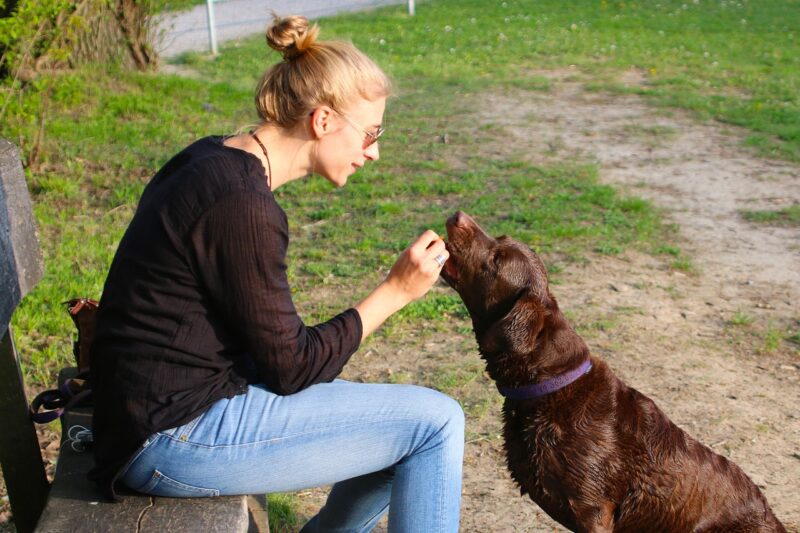
Did you know?
Dogs fed after moderate exercise often show better nutrient absorption and calmer post meal behavior compared to dogs fed immediately before activity.
Bringing it all together for a healthier routine
Feeding frequency is one of the simplest yet most powerful tools for supporting a dog’s health. Puppies need frequent meals to fuel growth. Adult dogs thrive on predictable routines matched to size and activity. Senior dogs benefit from gentle digestion and smaller portions spread across the day. While general guidelines provide direction, your dog’s behavior, weight, and energy levels offer the clearest feedback.
The goal is not to follow trends or strict rules. The goal is to create a feeding rhythm that fits your dog’s body and lifestyle. When meals are timed well and nutrition is balanced, dogs feel better, behave more calmly, and maintain healthier weight throughout their lives. Paying attention now can prevent problems later, and that makes feeding frequency a decision worth getting right.